Saint Paul tells us today about a spiritual gift that he received from God. This gift is called the “stigmata”, which refers to the Christ’s wounds from the Crucifixion. Very few saints have received this gift. But in case we’re tempted to think of the stigmata as something merely cosmetic—that is, as if it were only scars—we ought to realize that along with the wounds of His crucifixion came also the physical pain of such wounds. Continue reading →
“Can the wedding guests mourn as long as the bridegroom is with them?”
It’s the disciples of St. John the Baptist—and not the saint himself—who appear and speak in today’s Gospel passage. Nonetheless, today’s passage offers us similarities and contrasts between Jesus and John: one of them the Word made Flesh, and the other the voice of the Word. In this, we as disciples of Jesus—as members of His Mystical Body—ought to reflect on how John’s role is our own. Continue reading →
“I did not come to call the righteous but sinners.”
Today’s Gospel passage presents to us the vocation of Saint Matthew. The word “vocation” literally means a “calling”. A vocation is something “vocal”, which comes from the Voice of God (or perhaps better, the Word of God). That might not seem earth-shattering news. But what we sometimes forget is that a Christian vocation is not announced by Christ to a Christian at a single initial moment. Continue reading →
In addition to the Scripture Readings from the current weekday in Ordinary Time, there are many other options for Scriptures for the celebration of Holy Mass on Independence Day.
Independence Day
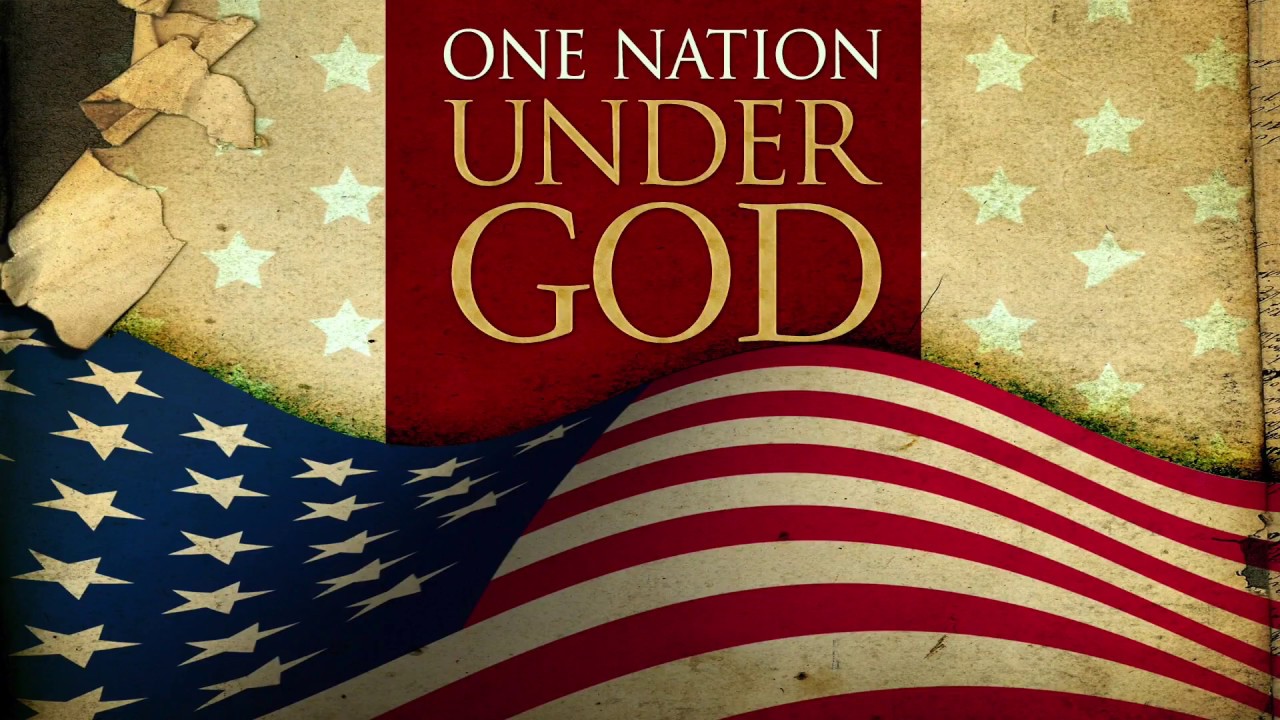
As we celebrate the Fourth of July, we celebrate one of the things that is nearest and dearest to us Americans: freedom, or, as our Founding Fathers described it, liberty. Life, liberty, and the pursuit of happiness: after the most fundamental human right—the right to life—comes the human right to liberty.
Liberty (or freedom) is an essential right of every human being. Freedom is something that is part of our human make-up. Without freedom, we are less than human. And without freedom, we cannot faithfully live the moral life that God calls us to.
We can think about Catholic morality with the image of a ship sailing out to sea. This analogy comes from C. S. Lewis. Picture this: in your moral life as a Catholic, you are the first mate on this ship. This image reflects three different dimensions of Catholic morality.
The first dimension is carried out by keeping your ship in shape: making sure it’s in working order: this is personal morality, and is based on the virtues. The second dimension is when you keep your ship from running into other ships that are out there at sea: this is social morality, or social ethics. The third dimension comes from knowing that you are out at sea on a mission. You’ve been sent out to go somewhere, not just to float around on the waters. This is our final morality: the morality that shows us that our everyday choices on this earth are connected to where we will spend eternity.
But none of these three sides of morality—personal, social, or final—makes any sense until we recognize what our human freedom really is, and what it is not. True human freedom is one of the gifts that come from being created in the Image and Likeness of God.
Christian freedom is something unique. The union between a human being and God doesn’t mean being absorbed by God, or being controlled by Him. At every step of our journey towards God, we are fully free: free to accept God, and free to reject Him. So ask Him on this day of independence for His grace, in order to be able to accept Him more fully, in order to serve Him more fully: to serve Him by loving Him, loving all our neighbors, and loving ourselves in an authentic, selfless way.
“… but where is the sheep for the burnt offering?”
Today’s First Reading is one of the more famous and more moving passages of the Old Testament. The Church Fathers comment upon this passage at length and to great depth. Consider just one idea from among the many that this passage holds. Continue reading →
“…bring your hand and put it into my side, and do not be unbelieving, but believe.”
The First Reading for the Mass of St. Thomas’ feast actually focuses on him very little. It’s not uncommon for the First Reading on the feast of an apostle to be either written by him or at least refer to him in passing. However, today’s First Reading from St. Paul’s epistle to the Ephesians does not mention Thomas. Its focus is the Church.Continue reading →
Today’s Gospel passage offers another example of the disciples not seeing the forest for the trees. Their question at the end of the passage is sincere and understandable, not rhetorical: “What sort of man is this, whom even the winds and the sea obey?” They admit their ignorance of the deeper identity of Jesus. They do know that he is more than just a fisherman or carpenter. They do know that he has miraculous powers. But what exactly do His powers tell us about who he is? Continue reading →
“He resolutely determined to journey to Jerusalem….”
All over the Wichita Diocese, many priests this month were “on the road again”, to use the words of Willie Nelson. They moved to new residences and took up new assignments within the diocese. However, while Mr. Nelson just couldn’t wait to get on the road again, most of our priests had mixed feelings about uprooting themselves and beginning again in a new part of the diocese. Those mixed feelings come from, on the one hand, wanting to be faithful to the bishop’s plan for the diocese, and knowing from experience that change brings blessings eventually. On the other hand, change is difficult, and the longer a priest had been in his previous assignment, the harder it is to leave. Continue reading →
Several times during His public ministry, Jesus acts in a way that might be called “anti-social”. This would be a mistaken perception, of course, but we still might wonder why Jesus acts as He does in these cases. Continue reading →