Thursday of the Eleventh Week in Ordinary Time
Matthew 6:7-15
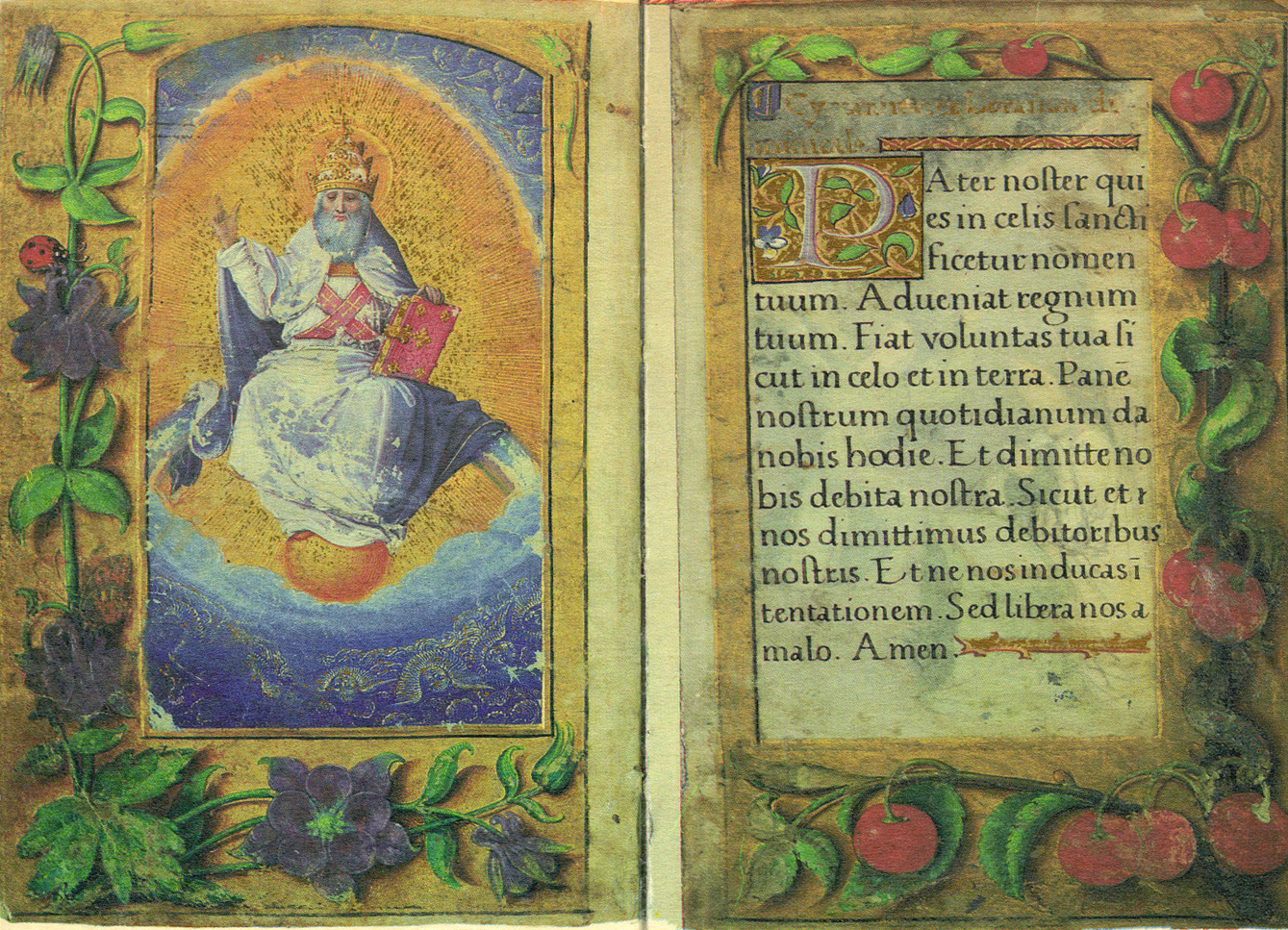
“Our Father who art in Heaven, hallowed be Thy name.”
“Familiarity breeds contempt.” You’ve heard that saying before. If that saying is absolutely true, then the fact that Christians pray the Our Father so often suggests that we ought to be cautious regarding this prayer which is the only one that Our Lord taught to His followers.
The danger, however, is not in the content of the prayer, but in how we pray it. The danger is not recognizing the Our Father for what it truly is. The Our Father is like a jewel, but with an infinite number of facets. We can turn it in any direction, and the light of faith shines through it to reveal to us new depths within the words of this prayer.
Put another way, if we pray the Our Father often, yet find that it does not move us, then the problem is the person praying, not the prayer prayed. So to focus on this gift that Jesus gave to us during the Sermon on the Mount, consider just one point that this prayer ought to bring to our minds each time that we recite it.
Today’s Gospel passage does not conclude with the last line of the Our Father. Instead, Jesus follows up the Our Father by making a point. He declares: “If you forgive others their transgressions, your heavenly Father will forgive you. But if you do not forgive others, neither will your Father forgive your transgressions.”
Out of all the themes of the Christian life that the Our Father touches upon, why is forgiveness the topic that Jesus speaks to immediately after gifting this prayer to His disciples? Certainly there are loftier topics within the prayer than that of forgiveness?
The answer is that just as humility is the first virtue of the Christian life, although not the most important, so forgiveness is the first “business” of the Christian, if you will. Sin—both our own and that of those who have sinned against us—is the debris that blocks our path forward. Dealing with sin is like clearing the brush from a path that leads to treasure. The most important virtue of the Christian life is love, but without humility, our hearts cannot accept God’s gift of love. Likewise, until we forgive others as the Father has already forgiven them, we cannot grow further as an authentic child of God the Father.