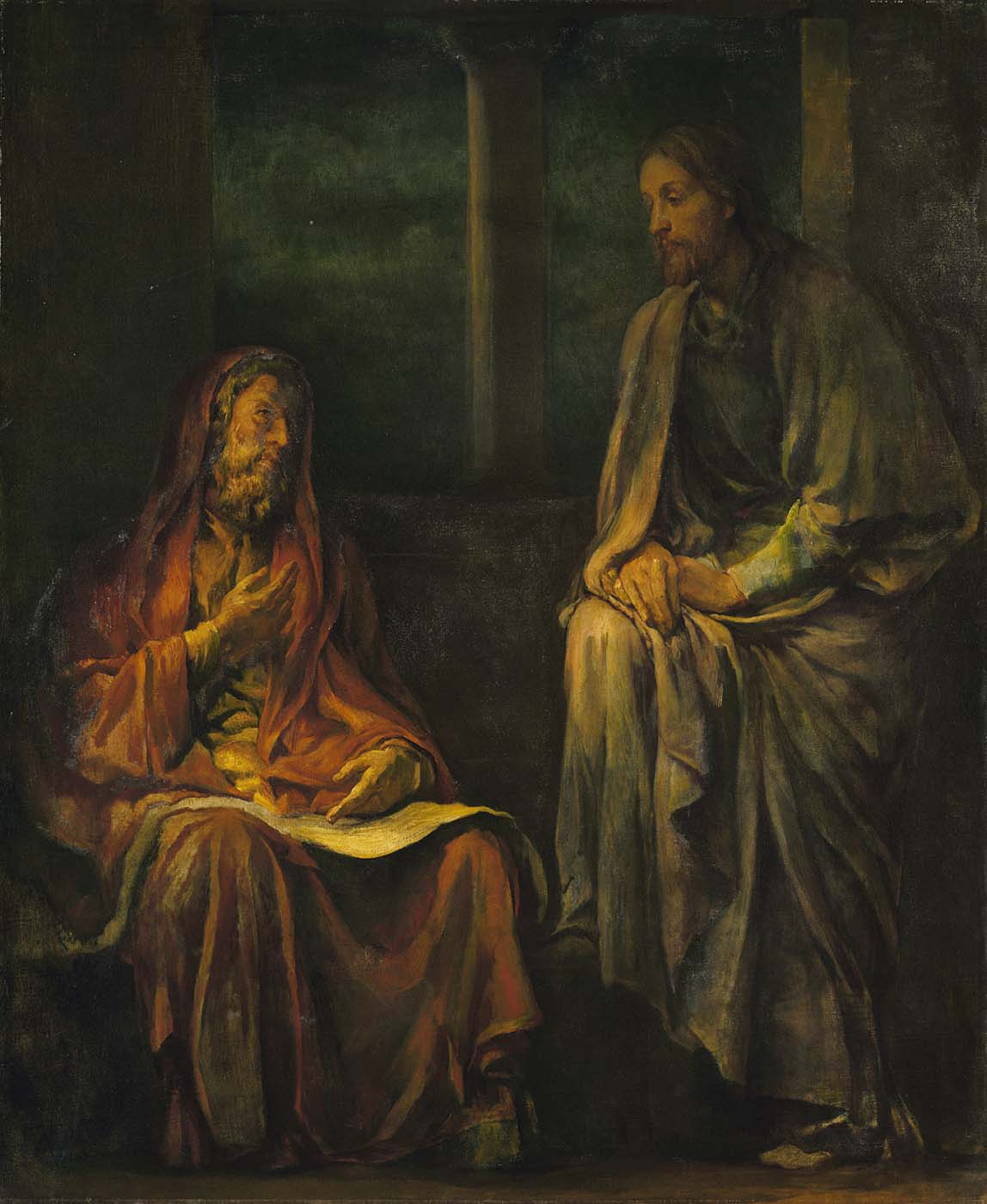
Sts. Philip & James, Apostles 1 Corinthians 15:1-8 + John 14:6-14
“Whoever has seen Me has seen the Father.”
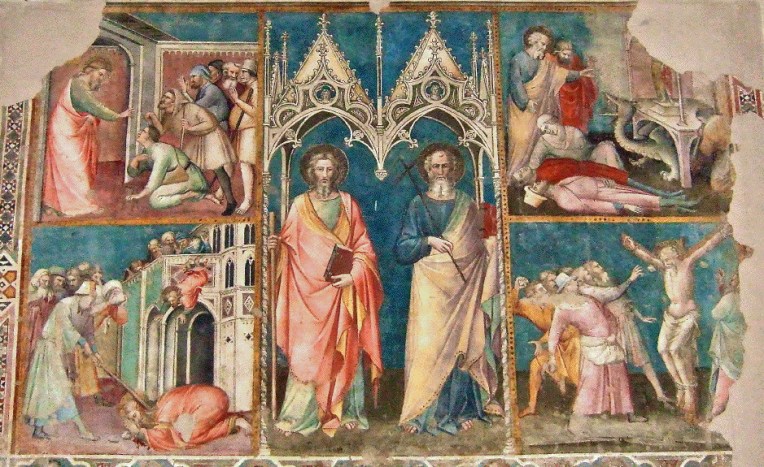
Throughout the Easter Season, the Scriptures at Holy Mass focus our attention upon several recurring themes. Examples of this are the Good Shepherd, the Bread of Life, and the unity of the Church. As is fitting for the feast of two apostles, the Scriptures for today’s feast of St. Philip and St. James highlight how the Church’s foundation is apostolic. Of course, the role of the apostles goes beyond the Church’s beginning.
Those ordained to the office of bishop continue to carry out the work first entrusted to the apostles. Each and every member of the Church has a vocation that is missionary in nature: in fact, “apostolic” in nature, inasmuch as the word “apostle” literally means “one who is sent”. Every Christian is called to “go outside himself” and share with others the natural and supernatural gifts he has received. Most Christians do this chiefly through family life, and in the secular workplace and community. We might say that the laity are apostles “ad extra”, outside the walls of the Church.
However, within the Church, those called to the office of bishop have a unique role. While laypeople proclaim the Gospel within the domestic church and in the workplace and community, bishops proclaim the Gospel to all of the Church’s members, and this chiefly through the Sacred Liturgy. The Gospel is meant—among other goals—to bring order to chaos: that is, to foster unity. Everyone who is a member of a family, a neighborhood, a parish, etc. knows how difficult it can be to cultivate unity.
Unity is the first of the Church’s four marks for a reason. Apostolicity serves her unity. For this reason, then, pray for your local bishop and for our universal bishop, His Holiness the Pope, called to preside in charity over the Church throughout the entire earth.
Monday of the Third Week of Easter Acts 6:8-15 + John 6:22-29
“… believe in the one He sent.”
In today’s Gospel passage from John 6, we hear the crowd ask Jesus two questions. First they ask, “Rabbi [meaning, “Teacher”], when did you get here?” Jesus doesn’t answer their question, but He confronts them with the fact that they are only concerning themselves about their physical hunger. It was for this reason that they had wanted to make Him their king. But Jesus wants them to want something greater.
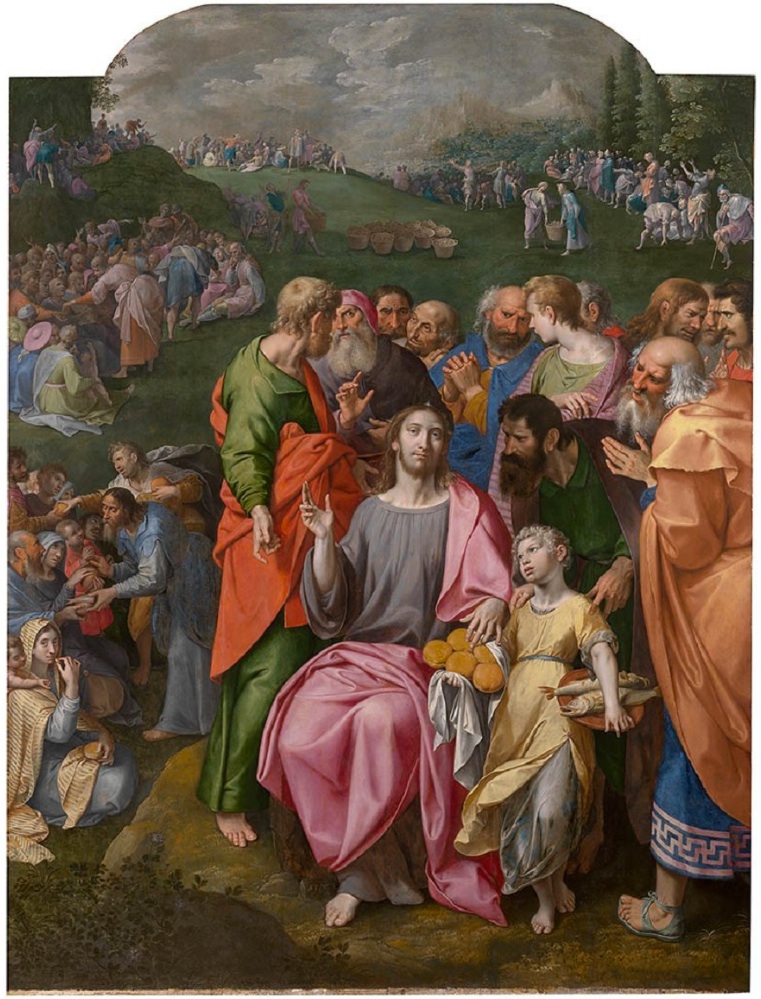
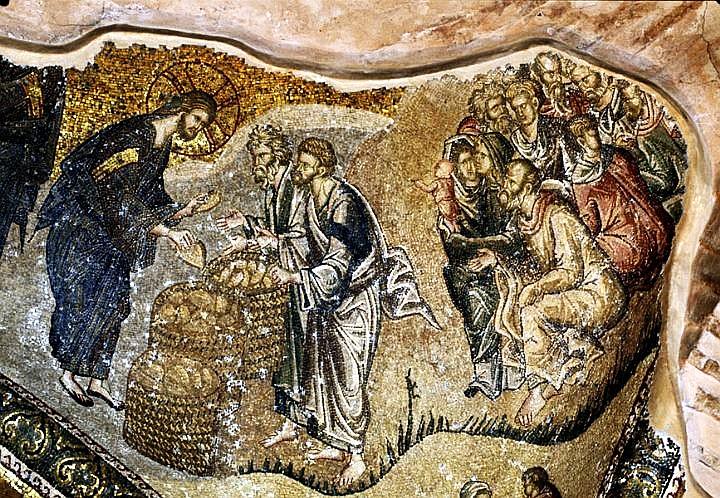
Towards this end, He shifts their attention from the physical hunger that He satisfied shortly before through the multiplication of loaves, to the spiritual hunger that He will satisfy later through the Institution of the Holy Sacrifice of the Mass. To the extent that they understand how Jesus is trying to shift the direction of their conversation, the crowd wants in.
So they ask Jesus their second question: “What can we do to accomplish the works of God?” Jesus’ response is brief. The work of God is to have faith in the One He sent. In other words, they do not themselves have the means to satisfy this hunger: there is no spiritual refrigerator, supermarket, or field for them to go to. Their spiritual hunger is not only for something to fill the emptiness inside their souls. That hunger is also for something to fill the emptiness around them. For there is nothing around them in the world that is capable of sustaining them eternally, but only dependence upon God through the divine virtue of faith.
Saturday of the Second Week of Easter Acts 6:1-7 + John 6:16-21
“It is I. Do not be afraid.”
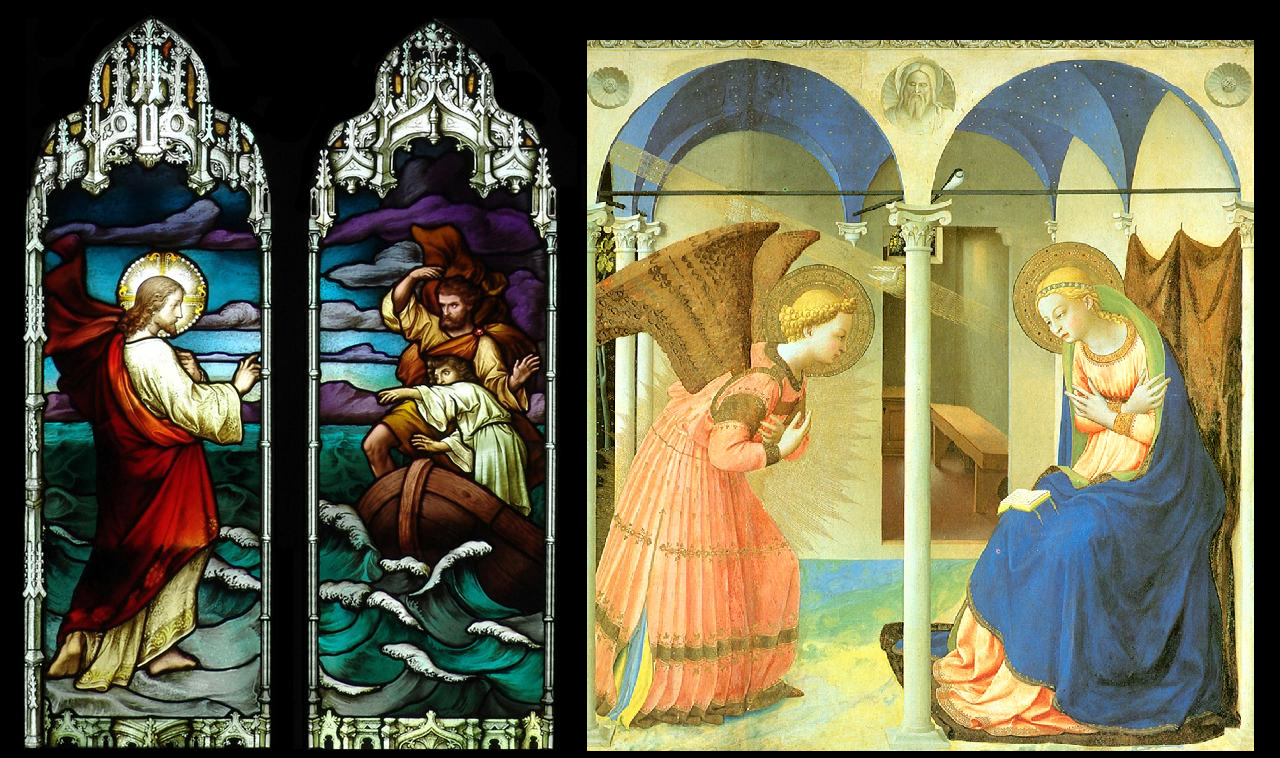
How can the presence of Jesus cause fear in people? Contrast today’s Gospel passage with the scene of the Annunciation. Jesus says to the apostles in today’s Gospel passage what the Archangel Gabriel says to Mary: “Do not be afraid!” Is it odd that God’s Presence—or even the news of His desire to come and be present—so often causes fear?
Do you yourself feel fear when you sense God’s desire to enter into your “boat”? Can you welcome Him with the faith and trust of our Blessed Mother? What other parallels are there between today’s Gospel passage and the Annunciation?
One parallel would be between the physical structure of the boat in today’s Gospel passage and the physical and spiritual dimensions of Mary as a person. The parallel is not exact. But a boat (or to use an archaic word, “barque”) is used in Catholic theology as a symbol for the Church, in which dwell the members of the Body of Christ.
Mary, as the Theotokos or “God-bearer”, is the Mother of Christ and therefore the Mother of the Church and all her members. Continue to pray to our Blessed Mother throughout the remainder of Easter, asking that through her intercession, fear may be replaced by fire in your heart: the power of the Holy Spirit.
Friday of the Second Week of Easter Acts 5:34-42 + John 6:1-15
… He withdrew again to the mountain alone.
For more than a week, beginning today, our Gospel passage at weekday Mass will come from the sixth chapter of John’s Gospel account. The Church spreads out the proclamation of John 6 over eight weekdays, from today—which is Friday of the Second Week of Easter—to Saturday of the Third Week of Easter. It’s not a coincidence that the conclusion of John 6 is proclaimed on the day before the Fourth Sunday of Easter, which is Good Shepherd Sunday. In the Most Blessed Sacrament of the Eucharist, about which Jesus teaches us in John 6, is the divine food with which the Good Shepherd feeds His flock.
In the first fifteen verses of John 6, Jesus shows His fellow Israelites that the Law of Moses is not enough. The Law cannot fulfill the human person and cannot offer eternal life. The people in the crowd who witness this new miracle of Jesus multiplying the loaves are attracted all the more to Jesus. They recognize Jesus as the Prophet, one even greater than Moses. They believe that He can be their king in this world.
But what does Jesus instantly do? Immediately, He does something counter-intuitive. He withdraws to the mountain alone. Why did He withdraw from God’s people? He withdrew from them for the same reason that He often withdraws His presence from the soul of a Christian: that is, to purify the disciple’s desires.
Consider that Moses in the desert responded to the grumbling of the Israelites by drawing manna from Heaven. But this did not stop their grumbling. Throughout the forty years of Israel’s wandering through the desert, Moses had constantly to meet the needs of the Israelites as they continued to grumble. It was as if Moses was the only one who could truly keep sight of their true goal, the Promised Land: a land overflowing with milk and honey, where there would be no more hunger, and where they would be truly filled.
Yet even after the Israelites reached this Promised Land, they grew over the centuries to believe that their life there was the best God had to offer. They did not realize that their covenant with God was about to be fulfilled by a new and everlasting covenant. They did not realize that the Word of God, present in the Scriptures, had become flesh and was standing in their midst, offering to lead them towards eternal life. What they did not realize, they could not desire.
The Third Sunday of Easter [C] Acts 5:27-32,40-41 + Revelation 5:11-14 + John 21:1-19
He said this signifying by what kind of death he would glorify God.
As the Church journeys through the Easter Season, we continually celebrate Jesus’ Resurrection. But it’s important to keep in mind that the point of this joy is the feast celebrated at Easter’s end: the holy feast of Pentecost. Pentecost, celebrated on the fiftieth and final day of the season of Easter, is a celebration of God the Holy Spirit flooding the hearts, minds, and souls of those who wish to live as members of the Body of Christ.
So Pentecost is the end of Eastertide in two senses. Pentecost is the final day of the Season of Easter. But more importantly, Pentecost is the end of Easter in the sense of being the goal of Easter.
Each Sunday of Easter, in its own unique way, helps us prepare for Pentecost. Jesus’ appearances in His Risen Body alert us more and more to the role of the Holy Spirit in the life of the Church, of which God calls us to be full members.
Last Sunday, we heard that on the very evening of the Resurrection, Jesus appeared to the apostles—except Thomas—and breathed upon them the gift of the Holy Spirit, so that they might be able to forgive the sins of fellow human beings. Just days earlier Jesus had died on the Cross for the forgiveness of sins. Yet on the evening of the Resurrection, by giving to the apostles what St. John in the Book of Revelation calls “the keys of death and the nether world”, Jesus gave the apostles the power to free men and women from the prison of sin.
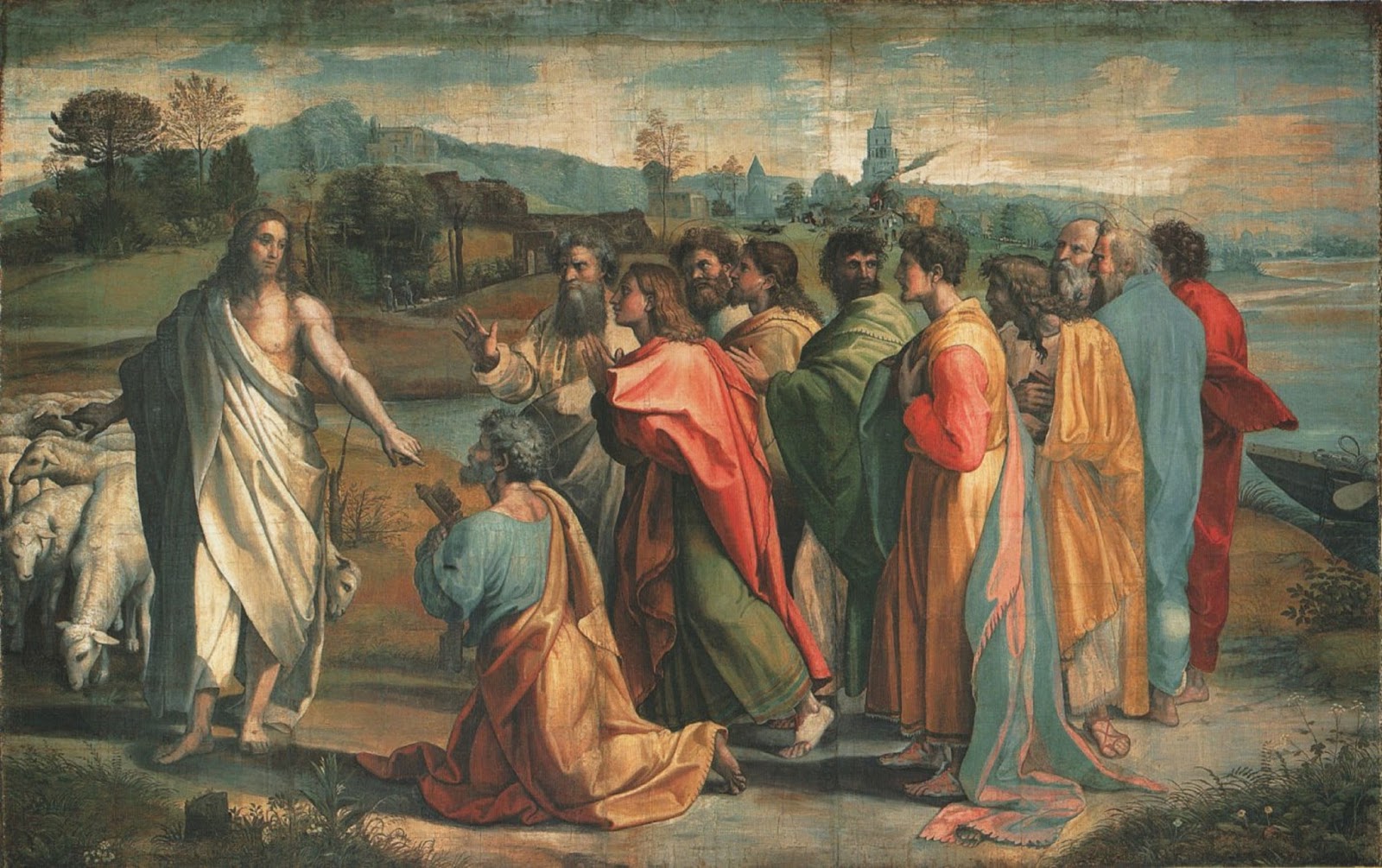
Today we hear how Christ extended the gift of reconciliation to one of the apostles in a particular way. Like all the gifts that God gives, this gift of reconciliation was given to Saint Peter so that he would be a better disciple of Christ Jesus in his own particular manner. After commanding St. Peter in regard to the miraculous catch of fish—itself a symbol of the apostles’ ministry to be “fishers of men”—Our Risen Lord asks Peter a very simple question. This questions aims at reconciliation.
“Simon, son of John, do you love me?” The fact that Jesus addresses this question to “Simon, son of John” instead of to “Peter” is significant. St. John the Evangelist, before the answer to Jesus’ question is given, refers to this man as “Simon Peter”; after the answer is given, the evangelist refers to him simply as “Peter”. We know that the name Peter means “rock”, and that it is upon this rock that Jesus built His Church. Nonetheless, until Peter repented publicly three times, in order to make up for his three-fold public denial of Jesus, Peter could not serve as Jesus wanted.
Only by assuring Jesus that he loved Him could he accept the name “Peter”. But notice also that in Jesus accepting Peter’s repentance, He also gives Peter a new command. Jesus commands him not only to be faithful to proclaiming His Name, as he had failed to do after the Last Supper. Jesus’ new command for Peter was something greater: “Feed my sheep.” Peter was not only to be “rock-solid”, so to speak, in preaching the Gospel. Peter was to be the Rock at the very heart of the Church, upon which the entire Church would rest. Just as the Israelites in the desert struck the Rock and found a source of living water, so the Church finds in the Rock of Peter the assurance that the words the Church teaches are the words of Jesus Himself.
This reconciliation between Jesus and Peter had to take place before Jesus could ascend to Heaven. Without the Rock of Peter to rely upon, the Church could not begin its mission at Pentecost.
Why is this office of Peter—the office of the pope—so important? Many Christians find the office of Peter a stumbling block to Christian unity, but in fact it is an assurance of the Church’s unity, because at the heart of this office is love. The Holy Spirit is the love between the Father and the Son. Only this love can unite the Church here on earth. This love is the key to living out the Gospel, and is in fact the key to the kingdom of Heaven.
Thursday of the Second Week of Easter Acts 5:27-33 + John 3:31-36
“We must obey God rather than men!”
Baptism is not a private experience. It is not simply about “me and Jesus”. Baptism washes away not only one’s own personal sins, but also the sin of Adam and Eve. All members of the human race have shared that original sin, with the exceptions of Mary and Jesus.
Likewise, as the baptismal bath washes away death in both personal and communal ways, so baptism also brings about new life in the soul of the baptized in two ways. The individual Christian, during the course of his earthly days, works out his salvation [see Philippians 2:12] through his membership in the Church: that is, by sharing in her saving mission.
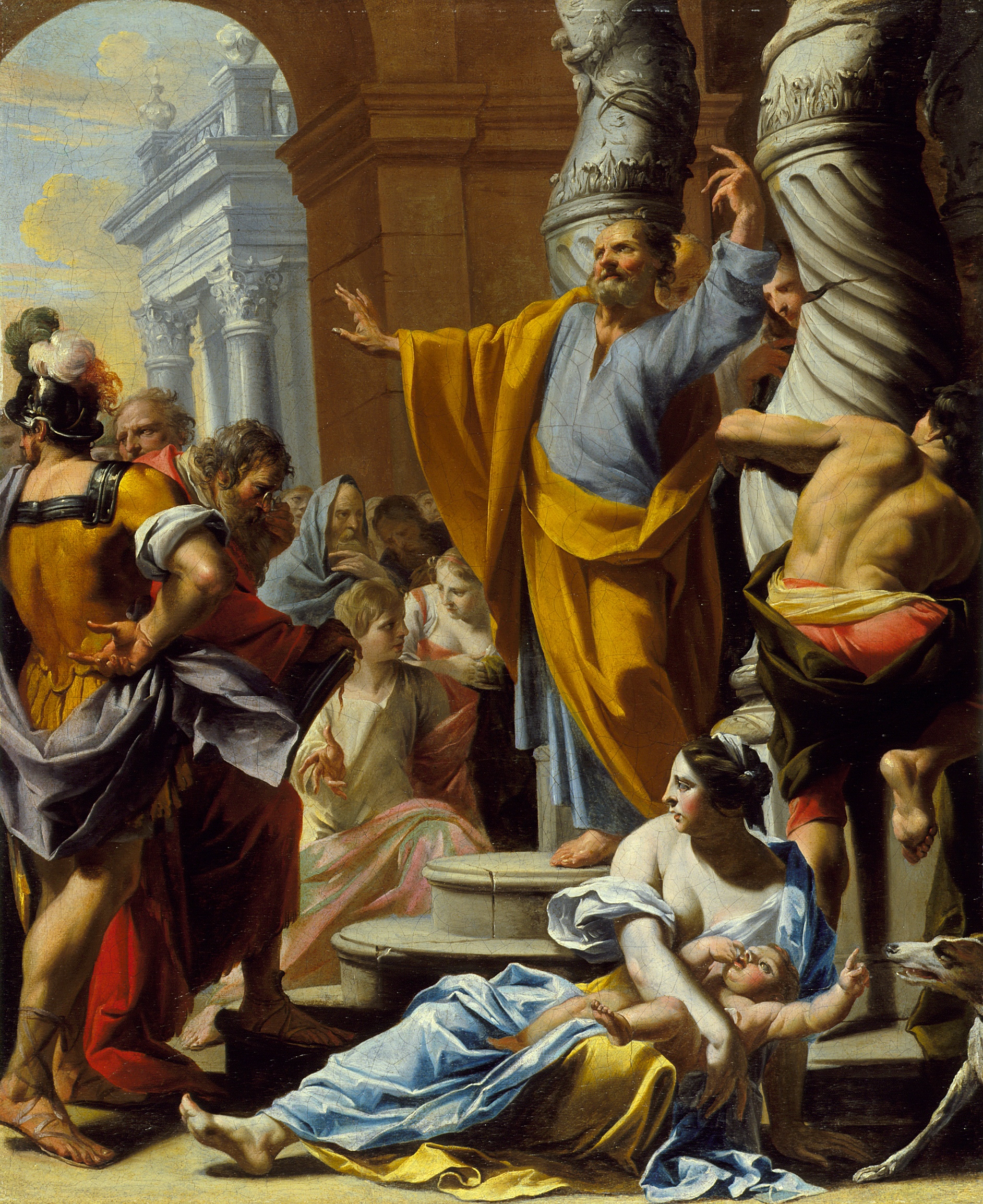
This Church, the Body of Christ, is the answer to the questions that today’s readings raise. The evangelist explains that there’s a difference between those who speak of earthly things, and those who speak of God. Peter himself, the first visible head of the Church, says ultimately the same thing in Acts. In front of Jewish officials, Peter offers an explanation for why the apostles disobey the officials, declaring: “We must obey God rather than men!” Yet, ironically, these Jewish officials were representatives of God!
Most Christians, in fact, represent God in some manner or another. Parents represent God to their children. Catechists represent God to their pupils. Clergy represent God to those entrusted to their care, and not only through the sacraments. This is as God designed the Church, although of course, this is where difficulties arise within the Church. Those called to represent God fail through sin or ignorance.
From the day of Pentecost, the Church has not been perfect. As we prepare ourselves for the celebration of Pentecost, we beg the Holy Spirit for those gifts that will allow each of us to be seen as pure icons of our Crucified and Risen Lord, and to represent God faithfully in thought, word and action.
Wednesday of the Second Week of Easter Acts 5:17-26 + John 3:16-21
But whoever lives the truth comes to the light, so that his works may be clearly seen as done in God.
Today’s Gospel passage tells us neither of Jesus preaching nor of Jesus acting. Instead, in this passage St. John the Evangelist offers spiritual commentary on the Christian life. More specifically, the evangelist describes what it means for the Christian’s works to be rooted in Christ, so deeply in fact that it is Christ who acts through the Christian. To do so, he uses the simple metaphor of light, but in two ways.
On the one hand, to offer a contrast, the evangelist speaks in terms of sinful actions. He notes that“everyone who does wicked things hates the light and does not come toward the light”. Clearly, the evangelist is using light as a metaphor for truth. In common English, when we say that someone fears his actions “coming to light”, we mean that someone fears the truth of his actions becoming known. Along this line, the evangelist explains that the sinner “does not come toward the light”so that his actions will not become known. Adam and Eve, after committing the Original Sin, exemplify what the evangelist means here.
On the other hand, the evangelist also refers to the good works done by a Christian: that is, works done in accord with the will of God the Father, whom St. James in his epistle calls“the Father of lights”[James 1:17]. In the last sentence of today’s Gospel passage, the evangelist notes that“whoever lives the truth comes to the light, so that his works may be clearly seen as done in God.”
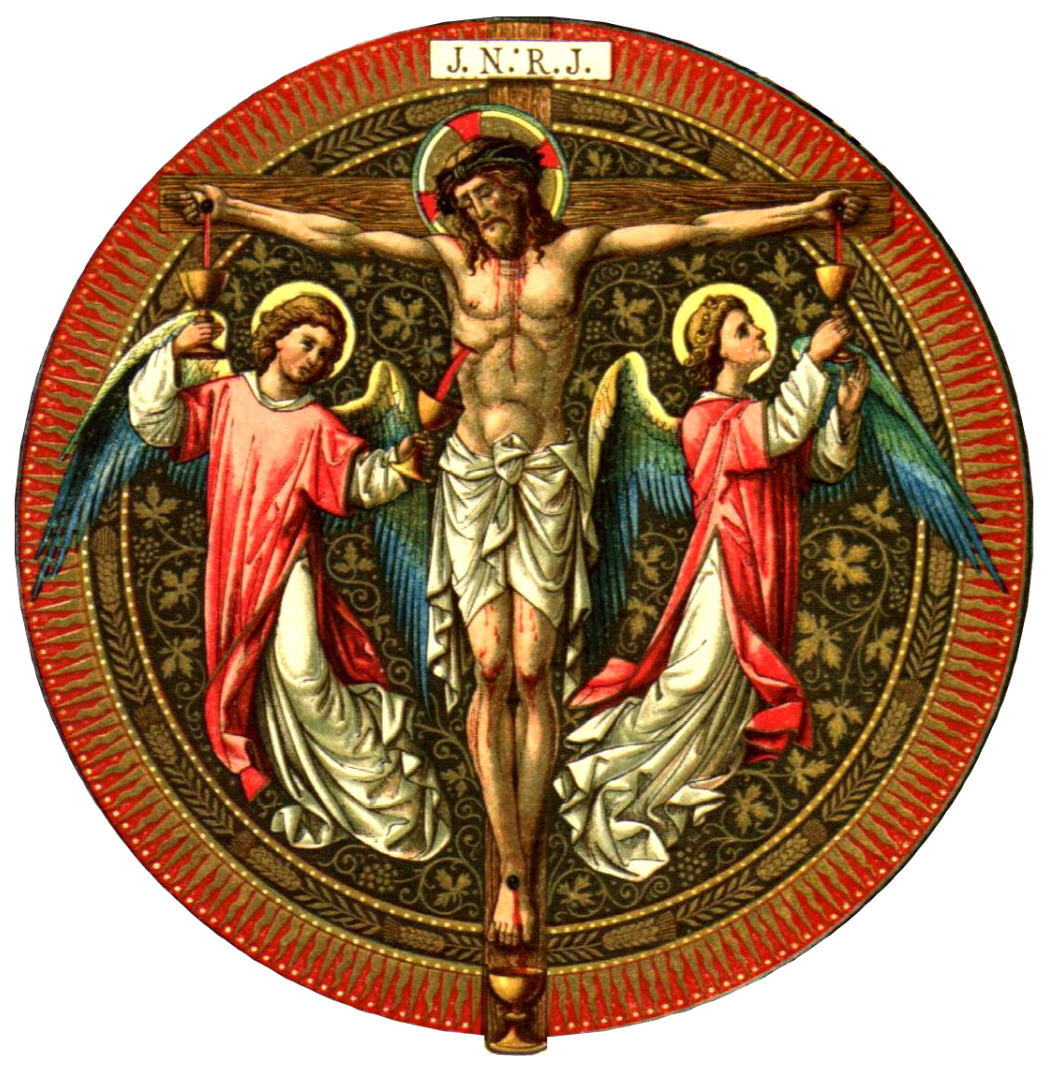
So how does what the evangelist says about morality shed light on the whole of the spiritual life? Consider that, to the Romans, Jesus’ crucifixion was punishment for threatening their rule. To the Jews, Jesus’ crucifixion was ironic justice for a man who claimed to be their Messiah. But the Beloved Disciple—the only apostle and evangelist to stand at the foot of the Cross—saw infinitely more in the Crucifixion. He saw light in the darkness of Calvary. So in turn, each of us needs to see light in the darkness of our sins: each night when we make an examination of conscience, and in the pew at church before entering the confessional. That light is Jesus’ Divine Mercy, which poured forth from the side of Jesus on the Cross.
Tuesday of the Second Week of Easter Acts 4:32-37 + John 3:7-15
The community of believers was of one heart and mind ….
One of the greatest tensions in the spiritual life is between individual concerns and communal needs. Given our modern secular culture, we tend to the former.
We can be lulled into nurturing our spiritual life as something that’s “just between me and God” or a “me and Jesus relationship”. A relationship with God certainly lies at the heart of the Christian life, but our lives are not given to us for our sakes alone.
Everything God graciously gives us, including our relationship with Him, is given to us for the sake of others. The graces that God pours into our lives are meant to overflow from our lives into the world through the Church.
The Church is the Mystical Body of Christ, the Risen Jesus in the world today. It is through the Church that we live our spiritual lives: both in receiving the sacramental graces that build us up, and in giving these graces to others through our vocation.
The Christian’s vocation is the hinge between the individualistic and the communal: each of us is called to be an individual for the sake of others. We reflect on this aspect of the Mystical Body of Christ throughout the Easter Season as we prepare for the celebration of Pentecost. The Holy Spirit descends from Heaven to strengthen the Church, and each of us who are her members, to carry out the saving mission of the Church.