
The Second Sunday of Lent [A]
Genesis 12:1-4 + 2 Timothy 1:8-10 + Matthew 17:1-9
St. Anthony’s Catholic Church, Garden Plain, KS
March 1, 2026
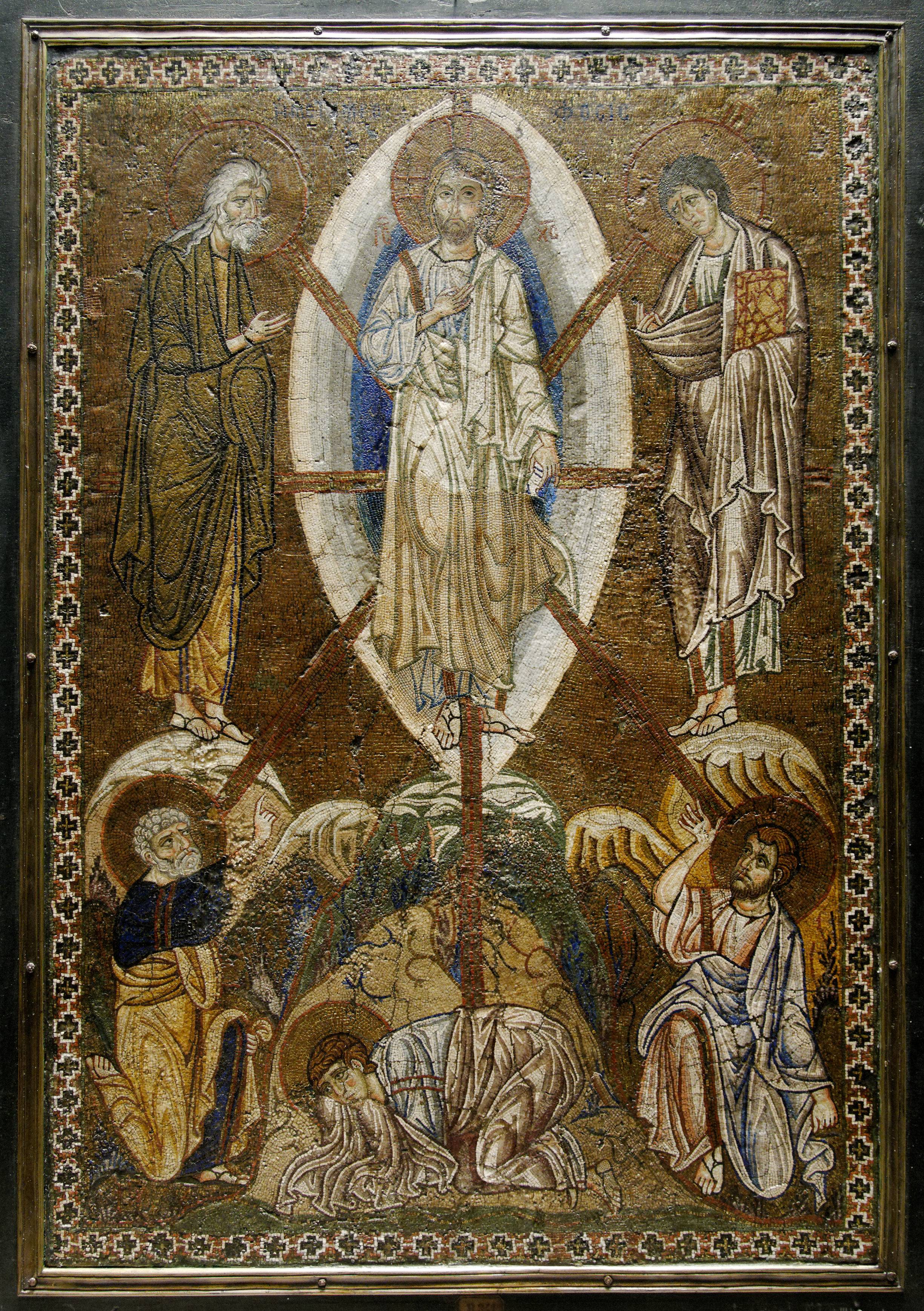
The Transfiguration is one of the Luminous Mysteries of the Rosary because it “sheds light” upon who Jesus truly is. Who is Jesus? Part of Jesus’ identity flows from His divinity. This is the more obvious aspect of the scene of the Transfiguration. The glory of Jesus’ divinity shone just for a moment on Mount Tabor before Peter, James and John.
But why was the glory of the Transfiguration only momentary? The answer to that question explains why we hear this Gospel passage during Lent, and also explains the other part of Jesus’ identity, which is His sacred humanity, which He offered in sacrifice on the Cross for our salvation. How these two go together—on the one hand, the everlasting glory of Jesus’ divinity, and on the other, the temporary suffering of Jesus in His humanity—is the heart of today’s Gospel passage.
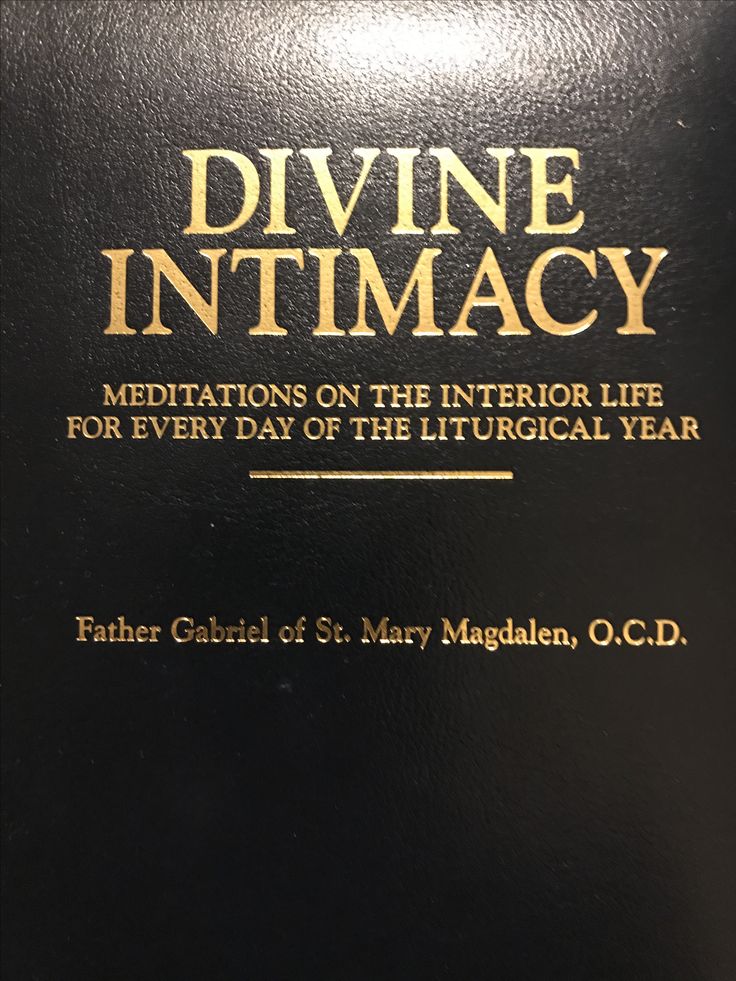
One of the greatest modern works of Catholic devotional reading is a work titled Divine Intimacy. The author—Father Gabriel—was a 20th century Carmelite friar. In one of his meditations in this work, Father Gabriel notes that the glory of Jesus’ divinity, which shone forth at the Transfiguration, would have shone fully from His birth onwards, had Jesus allowed it to do so. But He did not allow that, just like what He does not allow at the end of today’s Gospel passage after the Transfiguration is over: Jesus charges the three apostles, “Do not tell the vision to anyone until the Son of Man has been raised from the dead.” Throughout His earthly life, Jesus wanted to resemble us sinners as much as possible by appearing “in the likeness of sinful flesh”[1], as Saint Paul put it in his Letter to the Romans.
However, we need to back up. Right before the events of today’s Gospel passage, Jesus had predicted to His apostles His Passion and Death. St. Peter refused to accept this, declaring, “God forbid, Lord! No such thing shall ever happen to you.” Jesus did not take this lying down, but instead replied, “Get behind me, Satan! You are an obstacle to me. You are thinking not as God does, but as human beings do.”[2]
Jesus’ harshness, which He considered justified given the importance of the point, is reinforced by what Jesus says next: “Whoever wishes to come after me must deny himself, take up his cross, and follow me. For whoever wishes to save his life will lose it, but whoever loses his life for my sake will find it.”[3] That leads right into today’s Gospel passage, and the glory of the Transfiguration.
Jesus followed His difficult message—both about His own impending Passion and Death, and the need for His disciples to give up their lives For Him—by revealing one glimpse of His glory to Peter, James, and John. But as heavenly as this glory appeared to Peter, who wanted to pitch tent and rest there, Jesus was making a larger point. Father Gabriel in Divine Intimacy makes two interesting connections between the Transfiguration on Mt. Tabor and the Crucifixion on Mt. Calvary. “Moses and [Elijah] appeared on Thabor on either side of the Savior”[4], just as on Calvary two thieves appeared on either side of Him. And as the thieves on Calvary spoke with Jesus about His death, so St. Luke in his account of the Transfiguration tells us that Moses and Elijah talked with Jesus about His approaching Passion.[5]
So what’s the first point that Jesus is trying to get across to us by His Transfiguration? Jesus “wished to teach His disciples… that it was impossible… to reach the [eternal] glory of the Transfiguration [in Heaven] without passing through suffering.” We might say that these two are intertwined: eternal glory and temporary suffering. “It was the same lesson that [Jesus] would give later to the two disciples at Emmaus [on the day of Jesus’ Resurrection]: ‘Ought not Christ to have suffered these things and so to enter into His glory?’ What has been disfigured by sin cannot regain its original supernatural beauty except by way of purifying suffering.”[6]
Today’s Gospel’s first point is that we cannot avoid suffering if we’re going to follow Jesus. The second point is about how the glory of the Transfiguration is part of our ordinary Christian lives in the 21st century. This point has to do with what theology calls “spiritual consolations”. You could describe spiritual consolations as small gifts of grace that God gives whenever He chooses. Spiritual consolations are above and beyond the graces we receive through the sacraments and private prayer. These spiritual consolations may take many different forms, and God gives them for various reasons, but He always gives them as pure gifts. They’re sort of like a husband giving his wife roses, not on her birthday, and not on their anniversary, but on a random Tuesday, “just because”.
Father Gabriel in his work Divine Intimacy explains that “[s]piritual consolations are never an end in themselves, and we should neither desire them nor try to retain them for our own satisfaction. … To Peter, who wanted to stay on Thabor in the sweet vision of the transfigured Jesus, God Himself replied by inviting [Peter] to listen to and follow the teachings of His beloved Son.”[7] And what had that Son just taught? That Son had just taught Peter and all His disciples that He—Jesus Himself—must suffer and die, and that each of them, and each of us, must deny himself, take up his own cross, and follow Jesus to Calvary. That’s the only way to the glory of Heaven.
Father Gabriel continues: “God does not console us for our entertainment, but rather for our encouragement, for our strengthening, for the increase of our generosity in suffering for love of Him.” Then Father Gabriel turns back to today’s Gospel passage.
“The vision [of the Transfiguration] disappeared; the apostles raised their eyes and saw nothing [except] Jesus alone, and with ‘Jesus alone’, they came down from the mountain. This is what we must always seek and it must be sufficient for us: Jesus alone… Everything else—consolations, helps, friendships (even spiritual ones), … esteem, encouragement…—may be good to the extent that God permits us to enjoy them. He very often makes use of them to encourage us in our weakness; but if, through certain circumstances, His divine Hand takes all these things away, we should not be upset or disturbed.
“It is precisely at such times that we can prove to God more than ever… that He is our All and that He alone suffices. On these occasions the loving soul finds itself in a position to give God one of the finest proofs of its love: to be faithful to Him, to trust in Him, and to persevere in its resolution to give all…. The soul may be in darkness, that is, subject to misunderstanding, bitterness, material and spiritual solitude combined with interior desolation. [When you reach this point, the] time has come to repeat, ‘Jesus alone’, to come down from Thabor with Him, and to follow Him with the Apostles even to Calvary ….”[8]
[1] Romans 8:3.
[2] Matthew 16:22,23.
[3] Matthew 16:24-25.
[4] Divine Intimacy, 309.
[5] Luke 9:30-31.
[6] Divine Intimacy, 310, quoting Luke 24:26.
[7] Ibid.
[8] Ibid., 310-311.
CLICK ON THE COVER BELOW FOR MORE ABOUT DIVINE INTIMACY.
Please note that Father Gabriel lived before the Second Vatican Council. His meditations are arranged according to the liturgical calendar used during his life.
 Reflections on the Sacred Liturgy