The Sixth Sunday in Ordinary Time [A]
Sirach 15:15-20 + 1 Corinthians 2:6-10 + Matthew 5:17-37
“Rather, we speak God’s wisdom, mysterious, hidden….”
In the stories of the Old Testament, wisdom often seems a rare commodity. Although we hear about wisdom in today’s First Reading, it’s spoken of in terms of the Lord Himself, not human beings. Sirach proclaims, “Immense is the wisdom of the Lord; He is mighty in power, and all-seeing.” Most of us, I think, grow up thinking about God like that, but we’d hardly attribute those qualities to ourselves. Likewise, in our First Reading there’s not much about ordinary folks possessing wisdom.
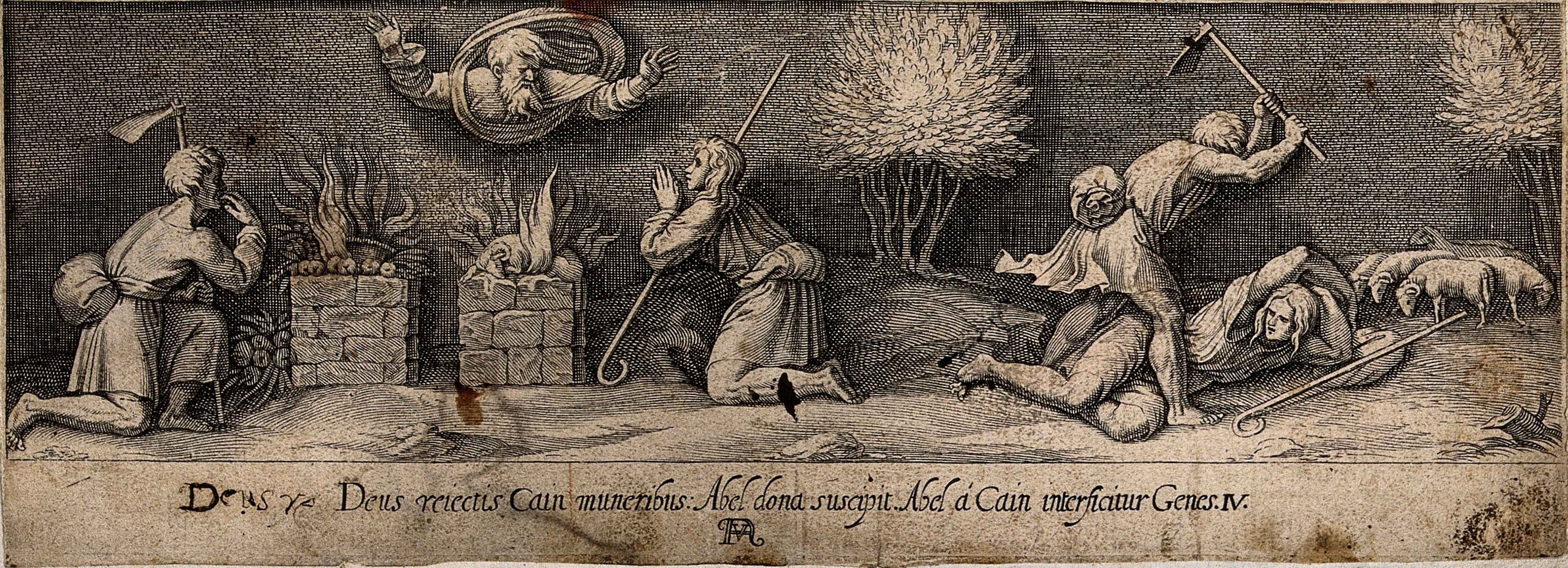
When today’s First Reading does speak about ordinary people like you and me, it’s in terms of making simple moral choices. Sirach explains plainly, “If you choose, you can keep the commandments”. He then uses analogies to show how black and white such choices are. He declares that God “has set before you fire and water; to whichever you choose, stretch forth your hand. Before man are life and death, good and evil, whichever he chooses shall be given him.” Sirach portrays moral choices as being so simple, that wisdom hardly seems needed.
+ + +
But Saint Paul in our Second Reading bridges the gap between the simple choices of ordinary folks, and the immense wisdom of the All-Powerful Lord. Through the Power of the Holy Spirit, the Christian is granted a share in the Wisdom of God, and this for a reason.
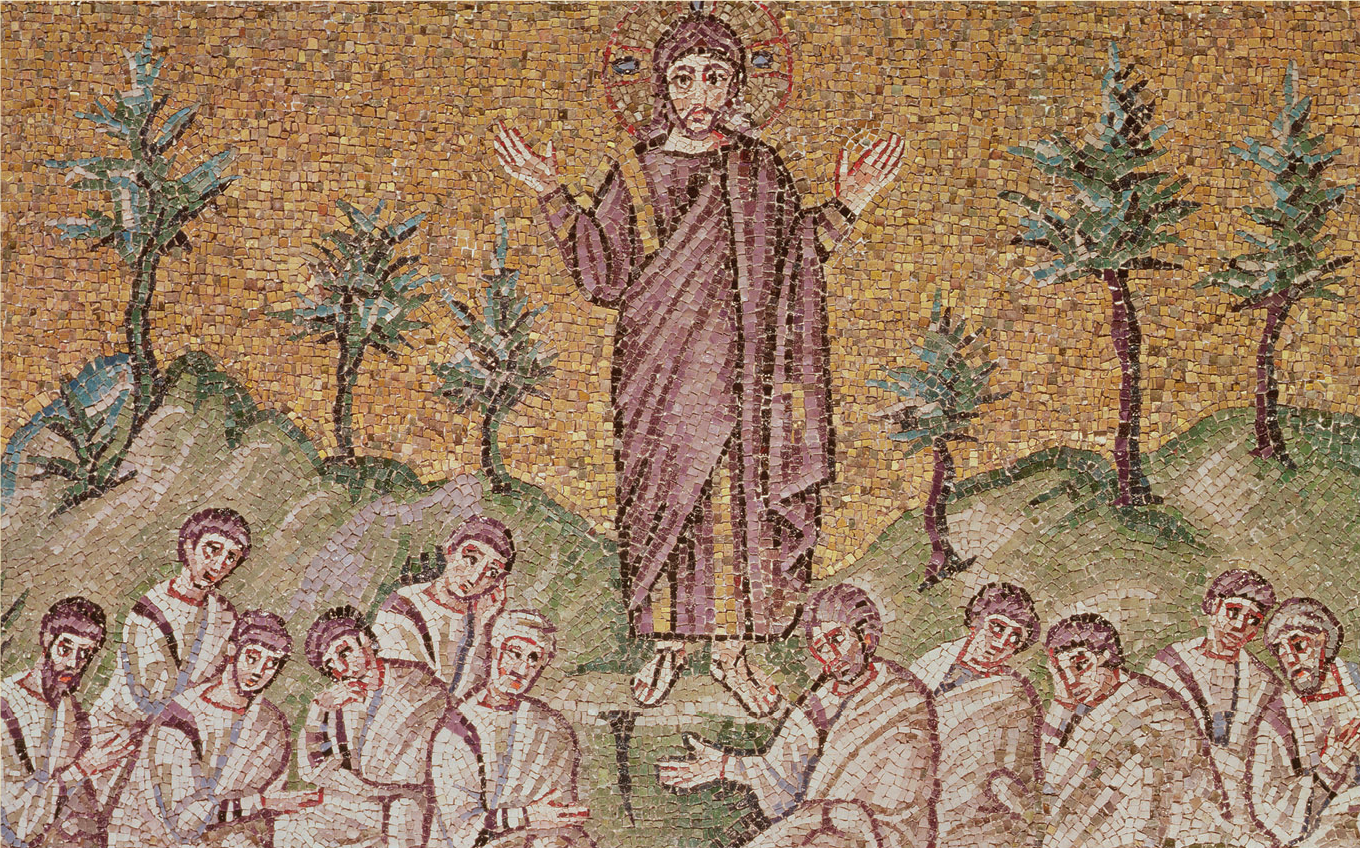
St. Paul explains that the Wisdom of God isn’t just God’s prerogative. He chooses to bestow His Wisdom upon His children through the preaching of His apostles. In this light, St. Paul explains to the Corinthians: “We speak a wisdom to those who are mature, not a wisdom of this age”. St. Paul wants the Corinthians to be among this group of “mature” disciples, just as God wants you among this group. God wants to pour His Wisdom into your heart and mind.
By contrast, St. Paul makes clear that there’s a very different type of wisdom making the rounds in the first century. St. Paul warns the Corinthians about a worldly, false wisdom: the “wisdom of this age”. He contrasts the two when he explains that “we speak God’s wisdom[:] mysterious, hidden, which God predetermined before the ages for our glory, and which none of the rulers of this age knew; for, if they had known it, they would not have crucified the Lord of glory.” St. Paul makes clear that it’s the crucified Lord of glory who leads us into glory through His mysterious, hidden Wisdom: that is, the Wisdom of the Cross. In other words, there’s a great wisdom in self-sacrifice, although to call it merely “great” is an understatement. There’s an infinite wisdom in self-sacrifice.
When you and I make choices that are wise—not only smart or intelligent, but wise—we follow after Jesus. Living your life by sacrificing your life for others, as Jesus did, leads us into the Father’s Presence. By contrast, following the “wisdom of this age” leads to eternal death. So either way, there is death. Your choice is whether to embrace death in this world in the form of self-sacrifice, or to allow death to embrace you for eternity, once you’ve breathed your last.
+ + +
Making such a basic choice—between self-sacrifice in this world or eternal death in the next—might seem like a no-brainer. But for most of us, it’s not, and this is for at least two reasons.
The world camouflages itself in its own false form of glory. This is what St. Paul in the Second Reading is driving at, in preaching against what he calls the “wisdom of this age”. The excitement, glamor, glitz, and notoriety that come with spending money and pleasing the senses are a form of glory in the eyes of the world. So you have to ask: is it smart to pursue this type of glory? Is it intelligent? Is it wise? It really all depends upon where you’re headed.
The second reason that it’s so difficult to choose the path of self-sacrifice is because even for baptized followers of Jesus, our souls are tainted by what the Church calls “concupiscence”. Concupiscence is a tendency towards sin that remains within us every day of our life on earth. There’s no shaking it. It’s not washed away at our baptism like Original Sin. Just as gravity constantly pulls you towards the earth, and it takes effort and strength to move your body up against gravity, so it is in the moral life. Concupiscence is a sort of “moral gravity” that constantly pulls us down towards sin. To resist requires wisdom, to recognize that we’re being pulled down. But divine love gives the strength needed to strive against its pull.
+ + +
Against all the forces that pull you towards the false glory of “this age”, you have to choose to follow Christ Jesus. His divine Wisdom shows us the path that leads to Our Father. But Wisdom doesn’t confer the strength to walk that path. That strength comes through God’s grace. The greatest source of grace that Jesus gifted you with was the Gift of Himself at the Last Supper, which becomes present before your very eyes in the Holy Sacrifice of the Mass.
 Reflections on the Sacred Liturgy