Our Lady of Lourdes


Our Lady of Lourdes
Isaiah 66:10-14  +  John 2:1-11

“Do whatever He tells you.”

It’s often said, and rightly so, that in all things Mary leads us to her Son.  That’s why it’s false to claim that devotion to Our Lady takes away anything from Our Lord.

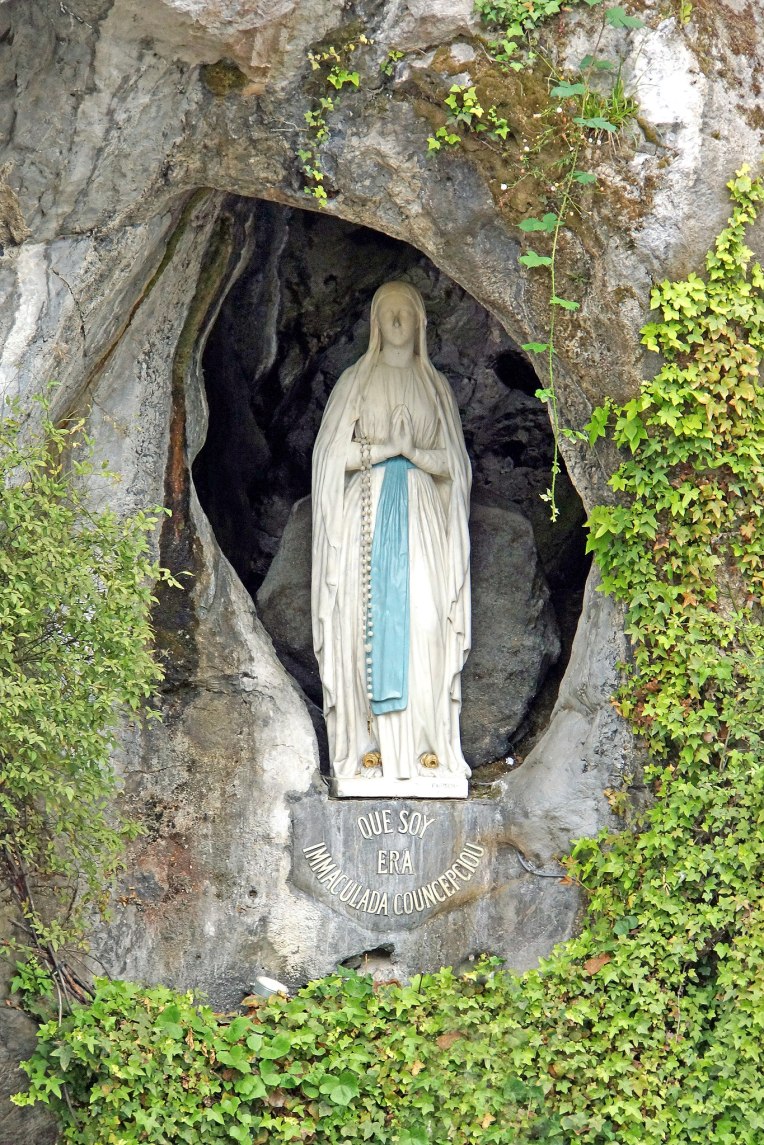
Today’s Gospel passage on this feast of Our Lady of Lourdes, set at the wedding at Cana, illustrates something more specific about devotion to Mary.  In all things, Mary leads the faithful Christian to listen to her Son, and to do whatever He tells the faithful Christian to do.

St. John, the Beloved Disciple to whose care Jesus entrusted His Mother, and who was entrusted by Jesus to His Mother, is the only one of the four evangelists to record the events of the wedding at Cana.  St. John notes that Mary said to Jesus that the newly married couple had no wine.  We might ask, “Did Mary really need to tell Jesus this?”  Jesus, being divine, possessed (and possesses) omniscience.  He knows all things, including small details such as a newly married couple running out of wine at their wedding reception.  Mary, of course, knew that her Son was divine, but she pointed this lack out to her Son because that is what a good mother does:  she cares not only for her own flesh and blood, but also for all those in need.

We might say that the events recorded in today’s Gospel passage foreshadow Mary’s title as “Mother of the Church”, which is celebrated on the day after Pentecost.  In that light, the role of Our Lady of Lourdes becomes clearer.  Pilgrims visit Lourdes en masse because they know not only of Mary’s love for them, but also that her intercession strengthens them to serve others, especially those most in need of care.

Friday of the Fifth Week in Ordinary Time [I]


Friday of the Fifth Week in Ordinary Time [I]
Genesis 3:1-8  +  Mark 7:31-37

… the man and his wife hid themselves from the Lord God among the trees of the garden.

The first chapters of the Book of Genesis are the first chapters of the Bible as the foundation of a house is its first layer.  They’re not just the first of many, but those on which the others rest.  These chapters offer keys which unlock the meaning of so many passages of Scripture that follow.

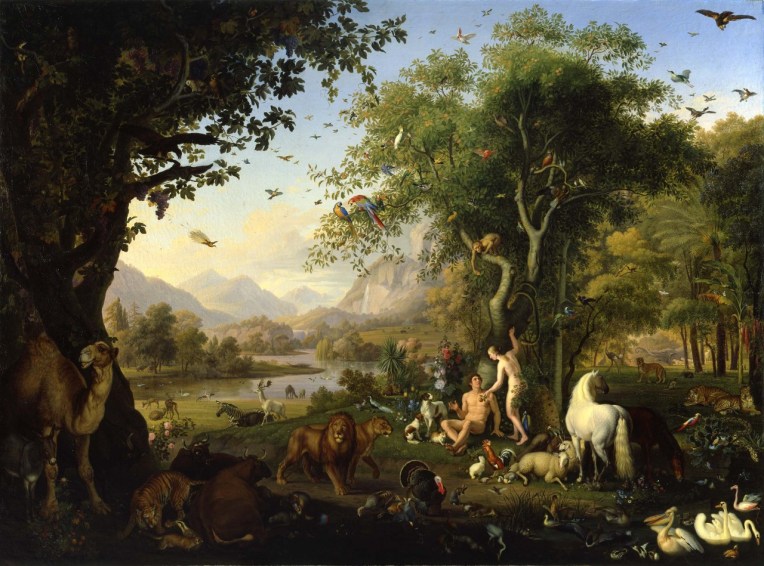
In the First Readings of today’s and tomorrow’s Masses, we hear of mankind’s Original Sin.  Today’s First Reading presents its commission; tomorrow’s, its immediate consequences.

We might reflect upon the fact that it takes six verses in this narrative before the woman commits the original sin.  Four things occur beforehand:  the serpent asks her a question; she responds; the serpent refutes her response; and the woman reasons her way to the commission of the sin.

Our own sins may not concern the eating of fruit, and a serpent may not be our tempter, but the dynamics between the serpent and the woman are key.  The serpent did not motivate the woman to act impulsively.  Rather, the serpent used (or rather, abused) reason to sway the woman’s intellect.  She freely choose to sin, believing entirely for herself that her sin was a good.  We ought to consider these five verses as a sort of examination of conscience for ourselves.

Thursday of the Fifth Week in Ordinary Time


Thursday of the Fifth Week in Ordinary Time
Mark 7:24-30

“Lord, even the dogs under the table eat the children’s scraps.”

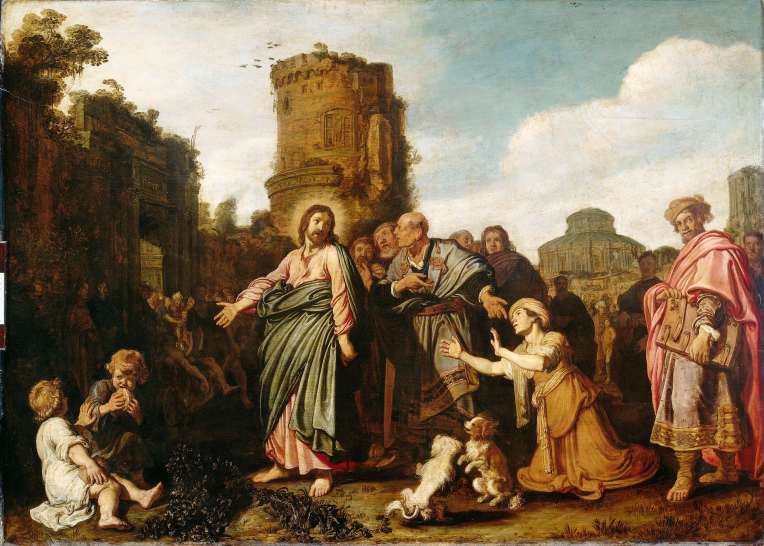
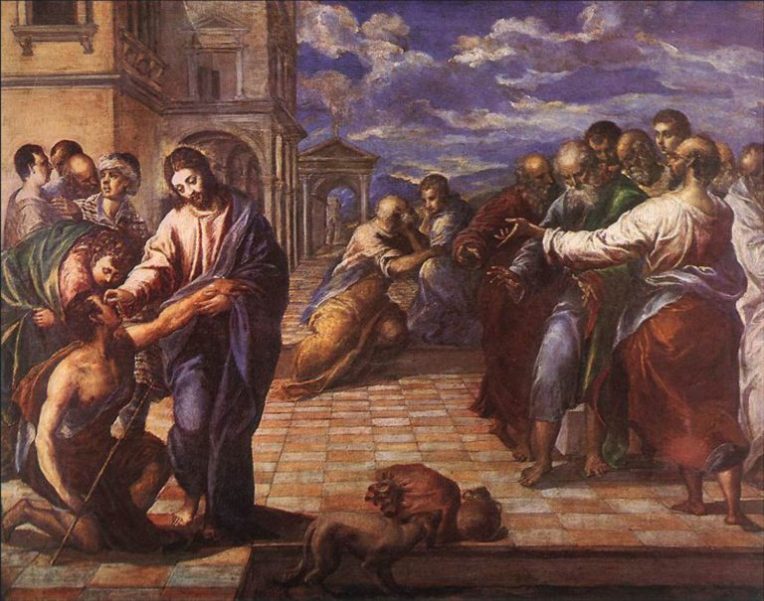
St. Mark the Evangelist tells us that a Greek woman—that is, an outsider—came to Jesus and “begged” Him to help her daughter.  This woman, despite not being a Jew—despite not being among that people of the Covenant, who had been waiting for the Messiah to come—nonetheless cried out to Jesus for help.  But what happened when she cried out to Jesus for help?

Jesus essentially calls the woman and her daughter dogs!  He says to this outsider, “It is not right to take the food of the children and throw it to the dogs.”  The “children” Jesus is referring to are the children of Israel, the ones the Father sent Him to teach, while this woman is an outsider, a “dog”.  But why is Jesus talking this way?

Scripture scholars tells us that our English translation “dogs” doesn’t fully capture what Jesus says.  The actual word is more gentle, and specific, meaning “puppies”:  something adorable, if pesky.  The woman’s response to Jesus shows that she knows what Jesus is up to, and is willing to play along.

God knows you better than you know yourself.  God demands faith from us, even when we believe we have none.  He is willing to “pull” our faith out of us—we might even say that He is willing to test us—in order to purify our faith.  Jesus knows what sort of faith this woman has.  And He is willing to draw it out, because without faith on this woman’s part, he will not work a miracle.  Pray for the sort of confident faith that this woman has to “banter” with God and to recognize that your being an outsider is not an impediment to the grace God wishes to give you.

Wednesday of the Fifth Week in Ordinary Time [Years I & II]

Please note:  two reflections are given below, each based on the First Reading and/or Responsorial Psalm of the day.  The Year I readings apply to years ending in an odd number (for example, 2023), while the Year II readings apply to years ending in an even number, such as 2024.  The Gospel Reading is the same in both years.

Wednesday of the Fifth Week in Ordinary Time [I]
Genesis 2:4-9,15-17  +  Mark 7:14-23

“… the things that come from within are what defile.”

Jesus speaks at length, and quite unflatteringly, about what comes from “within the man, from his heart”.  He mentions thirteen evils, though one gets the impression that He easily could have continued.  He is describing the fallen human heart, which does not have the law of God within.  Jesus wants us to realize our utter need for grace.

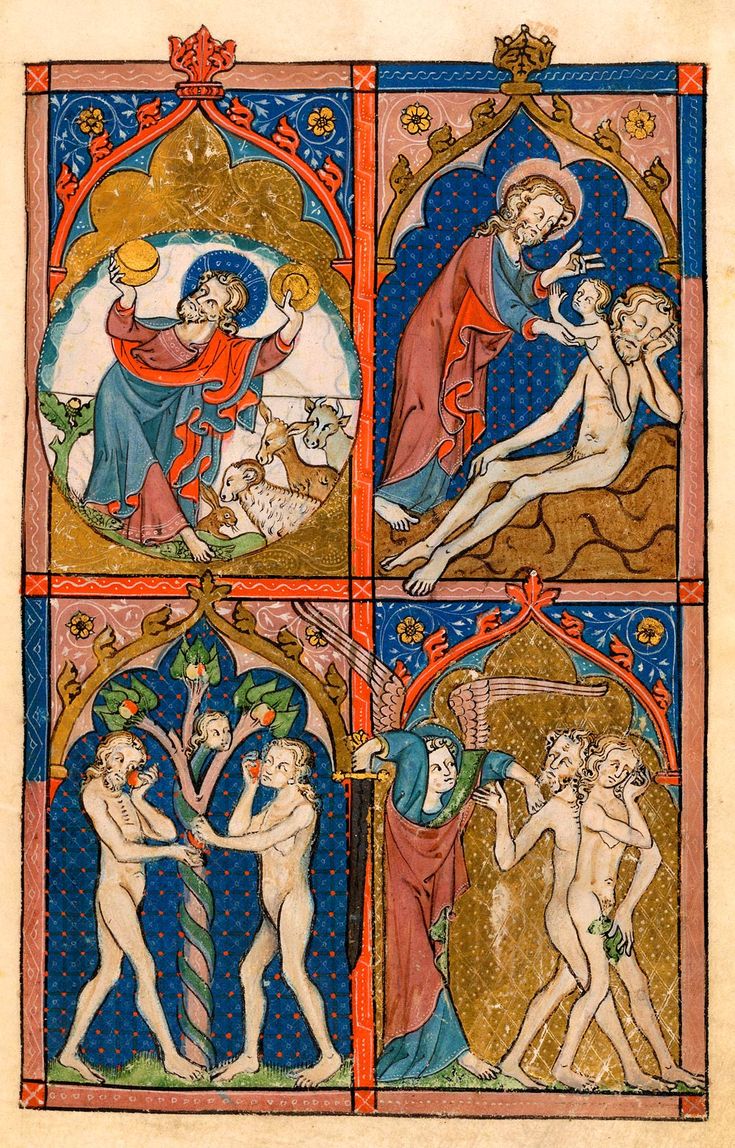
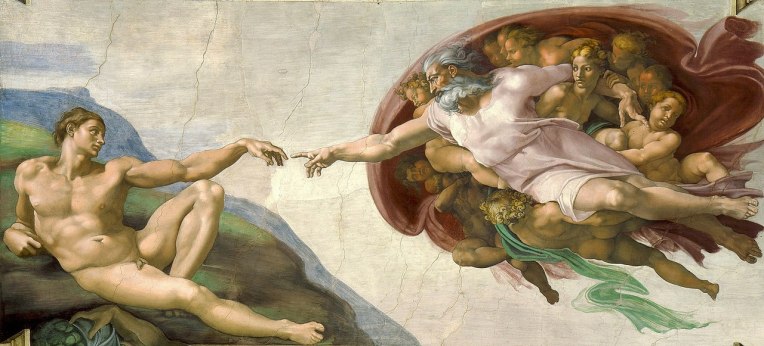
Consider this in light of today’s First Reading from the Book of Genesis.  We hear the beginning of one of Scripture’s accounts of the creation of man:  “the Lord God formed man out of the clay of the ground and blew into his nostrils the breath of life, and so man became a living being.”  The phrase “the breath of life” we might consider as a description of the human soul.  While man resembles other animals in many ways, it’s by means of this breath that man transcends them.

However, the Latin proverb reminds us that “corruptio optimi, pessima”:  “the corruption of the best results in the worst.”  By sin—as we will hear in Friday’s and Saturday’s First Readings—God’s gift of the breath of life becomes the very source of death.  This death has many names, and Jesus give us only thirteen in today’s Gospel passage.  Such is the power that each human person has:  to disallow God from working through God’s own creation.

Wednesday of the Fifth Week in Ordinary Time [II]
I Kings 10:1-10  +  Mark 7:14-23

The mouth of the just murmurs wisdom.

Today’s Responsorial comes from Psalm 37.  The refrain—“The mouth of the just murmurs wisdom”—is the beginning of one of the Entrance Antiphons for the first Mass from the Common of Doctors of the Church.  Such luminaries as St. Augustine of Hippo and St. Thomas Aquinas inspire us with their dedication to wisdom.  They sacrificed of themselves in order to be instruments by which God could communicate His wisdom to others.  How can we understand this refrain in regard to ourselves on this weekday in Ordinary Time?

One of the notable features of this passage from Psalm 37 is that it actually speaks more directly about the Lord than about “the just”.  Why is this?  The psalm makes it clear that the Lord is the source of all that is good in man.  The refrain demonstrates this:  the just man “murmurs wisdom” and “utters what is right” because the “law of his God is in his heart”.

This message from Psalm 37 stands in a certain contrast to Jesus’ words in the Gospel.  Jesus speaks at length, and quite unflatteringly, about what comes from “within the man, from his heart”.  He mentions 13 evils, though one gets the impression that He could just as easily have continued.  Here Jesus is describing the fallen human heart that does not have the law of God within.  Jesus wants us to realize our utter need for the law of grace if we are to transcend our fallen selves, and serve as instruments of God’s Wisdom.

OT 05-3

The 6th Sunday in Ordinary Time [A]


The 6th Sunday in Ordinary Time [A]
Sirach 15:15-20  +  1 Corinthians 2:6-10  +  Matthew 5:17-37
Catechism Link: CCC 577
February 12, 2023

Rather, we speak God’s wisdom, mysterious, hidden ….

When we hear about wisdom in today’s First Reading, it’s spoken of in terms of the Lord Himself, not human beings.  Sirach proclaims, “Immense is the wisdom of the Lord; He is mighty in power, and all-seeing.”

When today’s First Reading does speak about ordinary people like you and me, it’s in terms of making simple moral choices.  Sirach explains plainly, “If you choose, you can keep the commandments”.  He then shows how black and white such choices are, declaring that God “has set before you fire and water; to whichever you choose, stretch forth your hand.  Before man are life and death, good and evil, whichever he chooses shall be given him.”  Sirach portrays moral choices as being so simple that wisdom hardly seems needed.

But Saint Paul in the Second Reading reveals that God grants the Christian disciple a share in the Wisdom of God.  Yet this is for a specific reason, the origin of which lies in God’s providential will.

St. Paul explains that God chooses to bestow His Wisdom upon His children through the preaching of His apostles.  In this light, St. Paul explains to the Corinthians:  “We speak a wisdom to those who are mature, not a wisdom of this age”.  St. Paul wants the Corinthians to be among this group of “mature” disciples, just as God wants you among this group.

By contrast, St. Paul makes clear that there’s a very different type of wisdom making the rounds in the first century.  St. Paul warns the Corinthians about a worldly, false wisdom:  the “wisdom of this age”.  He contrasts the two when he explains that “we speak God’s wisdom[:]  mysterious, hidden, which God predetermined before the ages for our glory, and which none of the rulers of this age knew; for, if they had known it, they would not have crucified the Lord of glory.”

St. Paul makes clear that it’s the crucified Lord of glory who leads us into glory through His mysterious, hidden Wisdom:  that is, the Wisdom of the Cross.  In other words, there’s a great wisdom in self-sacrifice.  Yet there’s an infinite wisdom in the self-sacrifice of Jesus on Calvary.

When you and I make choices that are wise—not just smart or intelligent, but wise—we follow after Jesus.  Living your life by sacrificing your life for others, as Jesus did, opens your life to the Father’s Presence.  By contrast, following the “wisdom of this age” leads to eternal death.  So either way, there is death.  Your choice is whether to embrace death in this world in the form of self-sacrifice, or to allow death to embrace you for eternity.

Making such a basic choice might seem like a no-brainer.  But for most of us, it’s not, and this is for at least two reasons.

The world camouflages itself in its own false form of glory.  This is what St. Paul in the Second Reading is driving at, in preaching against what he calls the “wisdom of this age”.  The excitement, glamor, glitz, and notoriety that come with spending money and pleasing the senses are a form of glory in the eyes of the world, and appeal to the baser instincts of man.

The second reason that it’s so difficult to choose the path of self-sacrifice is because even for baptized followers of Jesus, our souls are tainted by what the Church calls “concupiscence”.  Concupiscence is a tendency towards sin that remains within us every day of our life on earth.

Concupiscence isn’t washed away at our baptism along with Original Sin.  It remains with us from conception until death.  Just as gravity constantly pulls you towards the earth, and it takes effort and strength to move your body against gravity, so in the moral life we experience a constant pull downwards.  Concupiscence is a sort of “moral gravity” that pulls us towards sin.  Wisdom helps us recognize that we’re being pulled down.  But divine love strengthens us to strive against it, and through grace transcend it.

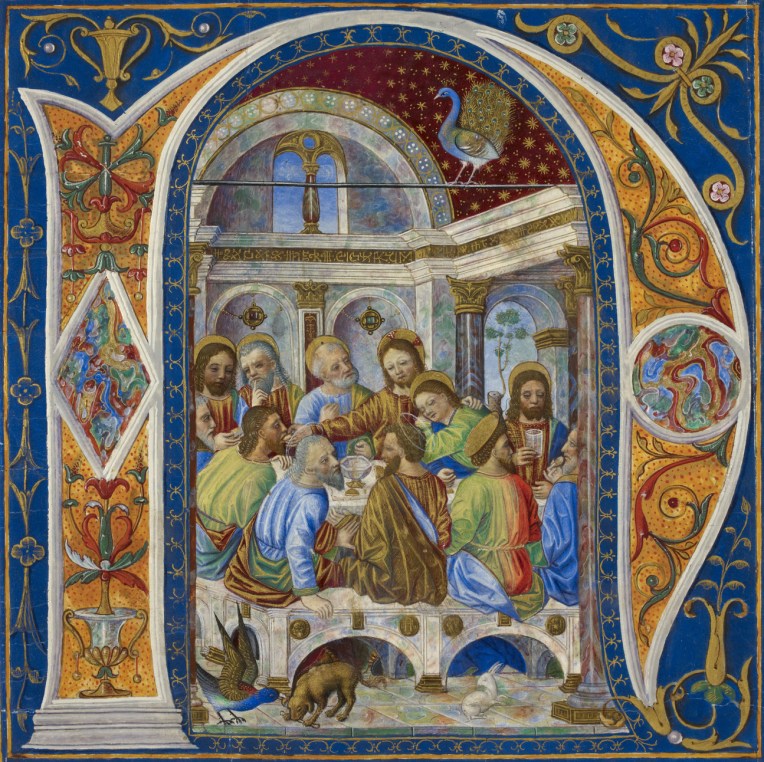
The divine Wisdom of Jesus Christ shows us the path that leads to Our Father.  But we also need the strength to walk that path.  That strength comes through God’s grace.  The greatest source of grace that Jesus gifted you with was the Gift of Himself at the Last Supper, which becomes present before your very eyes in the Holy Sacrifice of the Mass.
Tuesday of the 5th Week in Ordinary Time [I]


Tuesday of the 5th Week in Ordinary Time [I]
Genesis 1:20—2:4  +  Mark 7:1-13
February 7, 2023

“Be fertile and multiply; fill the earth and subdue it.”

If you were to ask a Catholic third grader, “What’s the first of God’s Commandments?”, the child might dutifully reply, “I am the Lord your God:  you shall not have strange gods before me.”  While we might congratulate Johnny for his studiousness, we’d assume he meant we were asking about the Ten Commandments.

Of course, the Ten Commandments first appear in the Book of Exodus.  But God gives many commands before that point in the Bible.  In today’s First Reading—from the first two chapters of the Bible—we hear the “original first commandment” to His human children, who were created in His Image and likeness.  “Be fertile and multiply; fill the earth and subdue it.”  Note that there are two elements to this command, each shedding light on the other.

The first is God’s command to be fertile.  In honoring this command, man—male and female—reflect the abundance of God’s own love.  That’s why the Church teaches that deliberately thwarting the gift of fertility is a grave offense against God’s loving creation of man in His own Image.

The second is man’s subduing of the earth.  The following sentence clarifies the meaning of “subdue” through God’s command to man to “have dominion”.  “Dominion” is related to the Latin word for “Lord” (“Dominus”).  Mankind’s dominion over the earth is an on-going act of stewardship, caring for God’s creation with respect for God—not man—as the Creator.

Monday of the Fifth Week in Ordinary Time [Years I & II]


Please note:  two reflections are given below, each based on the First Reading and/or Responsorial Psalm of the day.  The Year I readings apply to years ending in an odd number (for example, 2023), while the Year II readings apply to years ending in an even number, such as 2024.  The Gospel Reading is the same in both years.

Monday of the Fifth Week in Ordinary Time [I]
Genesis 1:1-19  +  Mark 6:53-56

God saw how good it was.

In today’s First Reading the Church proclaims the first nineteen verses of the Bible.  The Church proclaims the First Reading at weekday Mass from Genesis for almost two weeks during Ordinary Time:  this week and next.  Today and tomorrow the First Readings present the narrative of God’s six days of creation, and His rest on the seventh.

Today’s Responsorial is a commentary on the First Reading.  To some degree, this psalm repeats what we hear in Genesis 1:1-19.  But the psalm also does more.  The Responsorial’s refrain points to this something “more”.

“May the Lord be glad in His works.”  Regarding each of the created works of the first, third and fourth days, “God saw how good it was.”  Within the narrative of God’s work of Creation, this sentence serves as a refrain, repeated over and over.

But today’s Responsorial refrain adds something more.  To God’s “seeing” the goodness of creation, the psalm refrain points to the Lord being glad in His works.  This “being glad” (the Latin Vulgate uses the verb ‘laetare’, meaning ‘to rejoice’) tells us something about God Himself, and likewise about us who are created in His Image and likeness.  Indeed, we can imagine that God’s “rest” on the seventh day was not some sort of “Sunday afternoon nap”, but a “day long” rejoicing in the works He worked by His divine Word.

Monday of the Fifth Week in Ordinary Time [II]
I Kings 8:1-7,9-13  +  Mark 6:53-56

Lord, go up to the place of your rest!

Today’s Responsorial Psalm comes from the first half of Psalm 132.  The refrain—“Lord, go up to the place of your rest!”—sounds like a strange thing to say to the Almighty.  Why does the Lord need us to tell Him where to go?  For that matter, why does the Lord need to go to a place of rest?  We need to reflect, then, on a broader point:  that is, what is the broader context for this refrain?

Within the setting of the Old Testament, we could imagine this refrain verse being spoken during the Exodus or one of the exiles from the Holy Land.  In these settings, the place of the Lord’s rest would refer to His final “resting place” on earth:  the Temple in Jerusalem.  It’s there that the priests enter to offer right worship to the Lord, according to the dictates of His Law.  Within this setting we can certainly interpret Psalm 132 according to the original meaning of the human author.

In a further sense, however, we listen to Psalm 132 in terms of its fulfillment in Christ.  The Lord is Jesus, who entered our fallen world for us men and our salvation.  This psalm, then, speaks to the Ascension of the Lord as the completion of the Incarnate Word’s earthly mission.  Our own share in this rest is what we await beyond death, although even now in the sanctuary of the Living God, in the right worship of the Eucharist we may share in the rest of His Real Presence.

OT 05-1

Saturday of the Fourth Week in Ordinary Time


Saturday of the Fourth Week in Ordinary Time
Mark 6:30-34

“Come away by yourselves to a deserted place and rest a while.”

In listening to the words of the Gospel passage and applying them to our lives, perhaps we have not listened as carefully—or as fully—as we should have.  In this passage Jesus says to us what Jesus says to His apostles:  “Come away by yourselves to a deserted place and rest a while.”  He invites them by His words to imitate Him:  He calls them to follow Him to a deserted place.

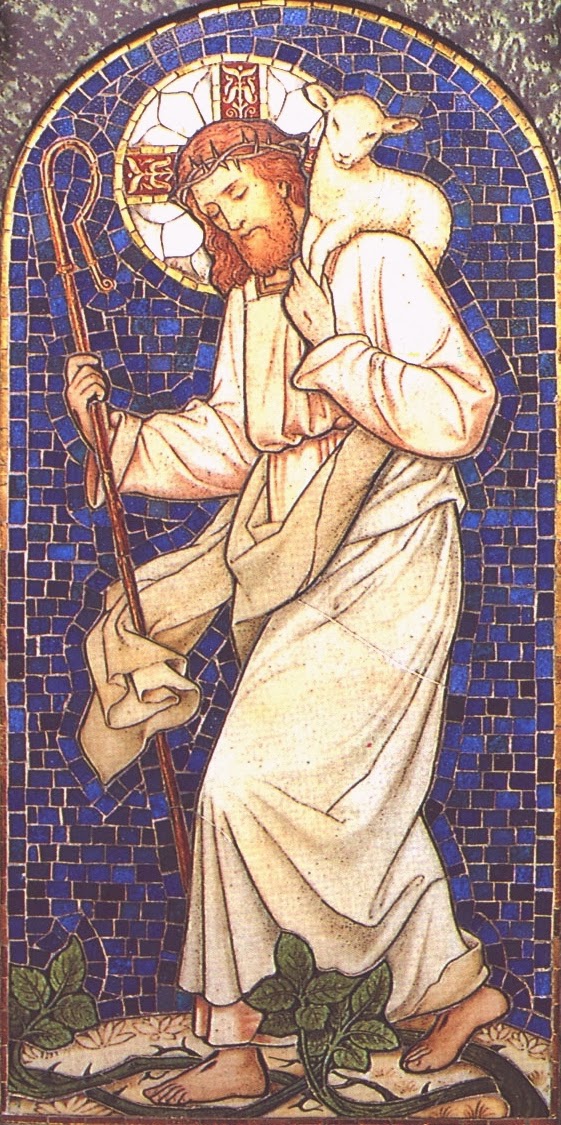
Jesus leads the apostles there, but when they arrive at the place, Jesus sees a vast crowd.  What does he do?  Jesus, the Good Shepherd, begins feeding the flock with his teaching.  Again Jesus is speaking to His apostles, but this time He invites them by His actions to imitate Him:  He calls them to follow Him into the midst of the crowd.

Jesus’ life in this passage teaches us the meaning of the words sometimes attributed to Saint Francis of Assisi:  “O Divine Master / grant that I may not so much seek to be consoled as to console / to be understood as to understand / to be loved as to love.  / For it is in giving that we receive….”

These words lead us back again to the scene of the Gospel.  Can we see that Jesus is teaching us that to be a faithful shepherd is to be a faithful steward, to offer everything to God, both our work and our rest?  Nothing, not a thing, is ours, not even the rest that we enjoy in the midst of a busy day, for even the rest we are granted prepares us only to serve both God and others more fully.

Friday of the Fourth Week in Ordinary Time


Friday of the Fourth Week in Ordinary Time
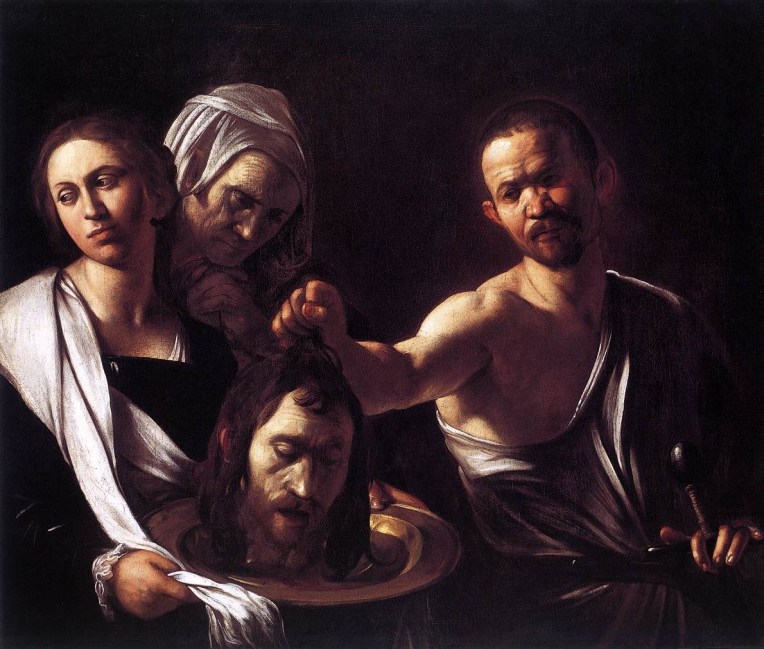
Mark 6:14-29

When his disciples heard about it, they came and took his body and laid it in a tomb.

Today’s Gospel passage presents a long flashback to the martyrdom of St. John the Baptist.  It’s notable that St. Mark the Evangelist, so concerned with brevity in his Gospel account, gives so much attention to this narrative.  St. John was obviously a figure of importance in relating the Good News to early Christians, even in regard to his death.

What distinguishes St. John the Baptist as a saint?  We might say that it’s his particular combination of humility and courage.  Sometimes humility (and also meekness) are seen in opposition to courage.  In this false light, humility is a form of weakness and submission, involving an inability to stand up for oneself.

In one sense, humility truly is a form of submission.  Humility truly means not seeing oneself as the center of the universe, or the king of the hill.  In turn, humility truly means recognizing one’s true place in life.  This truth tenders a capacity for strength that doesn’t consider earthly life as one’s purpose in life.  This truth leads to a courage willing to forfeit one’s earthly life for eternal life.  St. John the Baptist witnessed to Christ in his penitence, in his preaching, in his knowing that Jesus must increase and he must decrease, and in his acceptance of the gift of martyrdom.