Monday of the Twenty-third Week in Ordinary Time

Monday of the Twenty-third Week in Ordinary Time
Luke 6:6-11

But they became enraged and discussed together what they might do to Jesus.

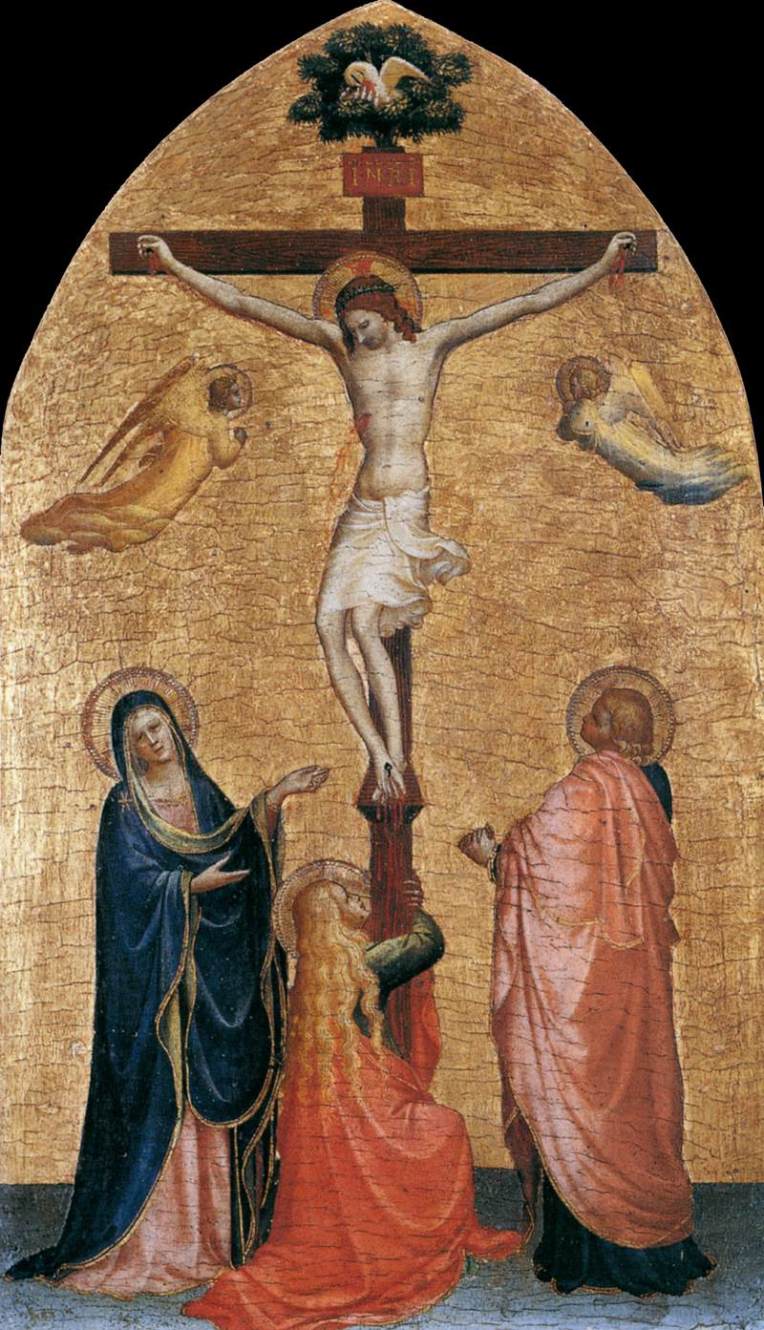
Jesus in today’s Gospel passage (and on many other occasions during His earthly life, leading to the Cross) faced those who had turned the meaning of religion inside out.  Jesus in this passage heals the man with the withered hand, and the response of the scribes and Pharisees is to become enraged:  they discussed together what they might do to Jesus.

In this we see a similarity between Jesus’ day, and our day:  a similarity between the world of Jesus, and the world in which we live.  The world in which we live today may be much larger than Jesus’ world:  there may be more countries, and more peoples who have to speak with each other, and work to get along.  Likewise, the Church today extends throughout the world instead of consisting of a small band of disciples.

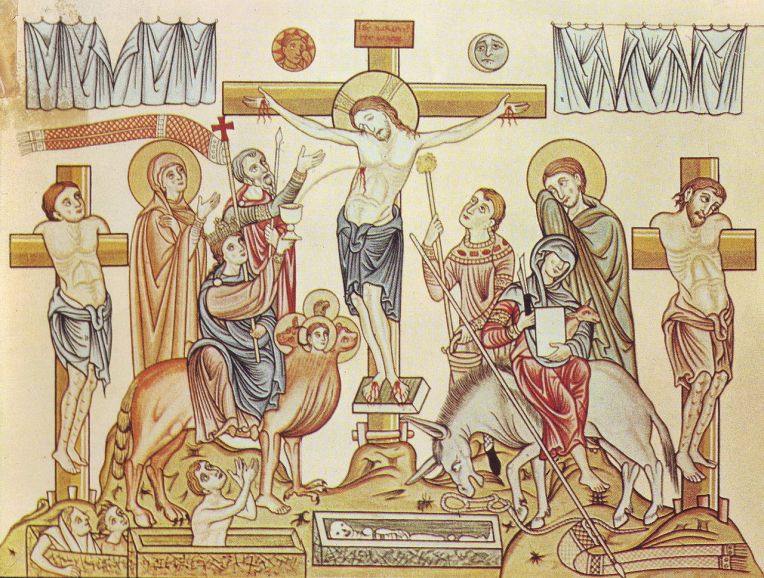
Yet there are today people, just as in Jesus’ day, who return evil for good:  whose actions make no sense.  Whether we reflect upon the example of the scribes and Pharisees in today’s Gospel passage, or Pontius Pilate, or Judas Iscariot, the question we have to ask is:  how did Jesus respond to those who hated Him, and nailed Him to the Cross?  Can we be like our Lord Jesus, even in a situation like this?
St. Gregory the Great, Pope and Doctor of the Church

St. Gregory the Great, Pope and Doctor of the Church
1 Corinthians 4:6-15  +  Luke 6:1-5
September 3, 2022

“What do you possess that you have not received?”

St. Paul in yesterday’s First Reading referred to Christians as “stewards of the mysteries of God”.  In today’s First Reading Saint Paul continues to preach on the topic of stewardship, noting that everything in our life is a “given”.  But if this is so, he rhetorically asks the Corinthians, why are they “boasting as if [they] did not receive it?”  In fact, the “givenness” of our lives and everything in them calls for humility from us.

But St. Paul goes further.  In describing himself and the other apostles, he debases himself for a specific purpose.  He describes the apostles as being “like people sentenced to death”, as “fools on Christ’s account”, and “like the world’s rubbish, the scum of all”.  At the same time, he raises up those whom he serves, saying that the apostles are weak, but the Corinthians are strong, and that the Corinthians are held in honor, but the apostles in disrepute.

These points are made to admonish the Corinthians as Paul’s spiritual children.  Here he reveals his motive in this passage of his letter:  to beget in his children the humility that will foster spiritual growth.  He concludes with a verse that contradicts those who say that Christians—such as priests—cannot serve as spiritual fathers:  “I became your father in Christ Jesus through the Gospel.”

Friday of the Twenty-second Week in Ordinary Time

Friday of the Twenty-second Week in Ordinary Time
Luke 5:33-39

“Rather, new wine must be poured into fresh wineskins.”

Depending on circumstances, two given cousins may resemble each other very closely, or not at all.  Today’s Gospel passage presents a contrast between Jesus and His cousin, John the Baptist.  Jesus confirms the differences between Him and John, although these differences lead in the same direction.

The context of this contrast is a complaint lodged against Jesus by the scribes and Pharisees.  They uphold the practice of fasting and prayer, but at the same time note that Jesus’ disciples don’t seem to engage in either.

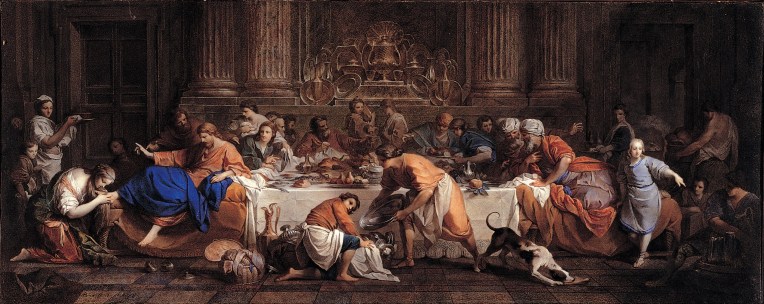
Jesus responds with a metaphor and a parable.  Consider the former.  Jesus describes Himself as a bridegroom.  We as modern Christians understand that by this metaphor Jesus is referring to Himself as the bridegroom of the Church, though that part of the metaphor would have been lost on His original hearers.  But He continues by noting that when the bridegroom is taken away, then the wedding guests will fast.

The latter part of the metaphor can be applied in two ways.  The first we can reflect on in terms of Jesus’ earthly life, and the time of His Passion and death during Holy Week.  The second we can reflect on in terms of our own earthly lives as pilgrims on our way to Heaven:  that is to say, as members of the Church Militant.  We may only share fully in the wedding feast of the Lamb in Heaven, and so while still here below we fast and pray, hoping for complete union in Heaven with the Lord.