Wednesday after Epiphany

Wednesday after Epiphany
1 John 4:11-18  +  Mark 6:45-52

Beloved, if God so loved us, we also must love one another.

Christmastide is a school of love, and the Beloved Disciple is its headmaster.  While it might be argued that Eastertide is also such a school, there’s an important difference between these two seasons.  During Eastertide the Church proclaims passages from St. John’s account of the Gospel.  During Christmastide, however, the Church proclaims passages from his epistles, and these focus sharply upon the nature of love.

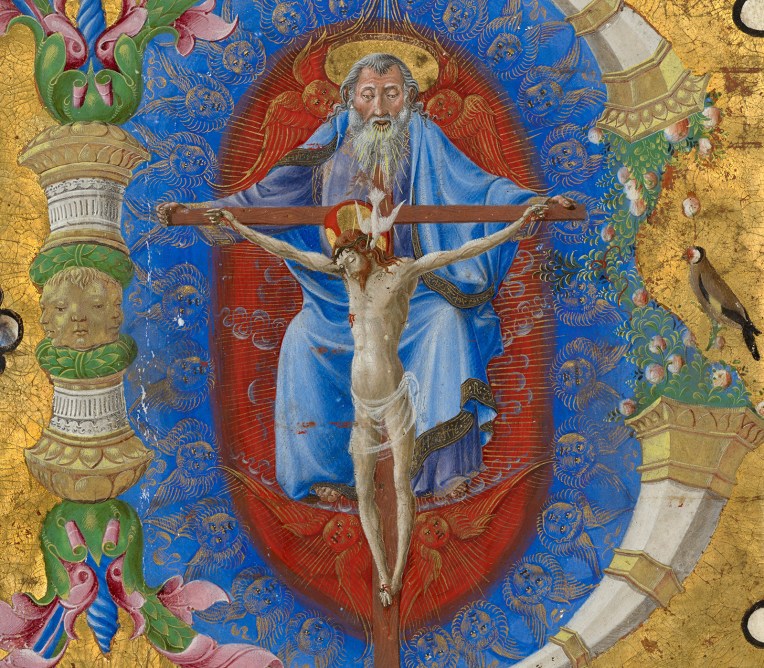
Yesterday’s First Reading proclaimed the nature of God’s love as revealed through the sacrifice of God the Father and God the Son on Calvary.  Today’s First Reading extends that focus to love for one’s neighbor.

The Ten Commandments are of two types.  The first three command us to love God.  The latter seven command us to love our neighbor.  For Christians, what unites these two types is the revelation of God’s love in the Crucifixion.  From the Cross Jesus reveals how to love God and neighbor.  It’s on the basis of that revelation that St. John explains:  “if God so loved us, we also must love one another.”

However, there’s a danger here.  We might take St. John’s words to mean that we’re called merely to imitate God’s love as shown to us on Calvary.  But it’s impossible for a fallen human person to love as God love through one’s own natural power.  A fallen human person can only imitate God’s love if God loves through the fallen human person.  This is what St. John speaks to when he proclaims that “God is love, and whoever remains in love remains in God and God in him.”  Only when one abides in God’s love can one love as God loves.
Tuesday after Epiphany

Tuesday after Epiphany
(or January 8 where the Epiphany is always January 6)
1 John 4:7-10  +  Mark 6:34-44

In this is love:  not that we have loved God, but that he loved us and sent his Son as expiation for our sins.

“Love” is cheap in modern society.  It means little and bears little fruit because it is rooted in the self.  St. John in today’s First Reading reveals that the truth about love is contrary to what modern society preaches.  True love is rooted outside the self.

Modern society claims that the lack of self-esteem is a chief cause of social problems.  Boasting self-esteem therefore becomes a major aim.  Yet an individual’s self-esteem inevitably degenerates into selfishness if it’s not rooted in the love that God has for that individual.

God is love.  God is love, pure and simple.  God is love through and through.  In other words, God is the gold standard of love.  Authentic love of oneself has to be measured against the love Who is God.

Love begins and ends with God.  From His very nature as love, God loves each human being.  Through this love, God the Father calls each human being to be transformed into the likeness of His love.

God the Father’s love is primary, before any human love and, indeed, before any human existence.  In the order of salvation history, the Father’s love for each human being has unfolded as St. John describes in the First Reading:  “In this is love:  not that we have loved God, but that he loved us and sent his Son as expiation for our sins.”  In these words, the love that lies at the heart of Christmastide shines clear.  This love of God the Father and God the Son for fallen man is the love to which God calls each human person to aspire.

Monday After Epiphany

Monday After Epiphany
(or January 7 where the Epiphany is always January 6)
1 John 3:22—4:6  +  Matthew 4:12-17,23-25

I will give you all the nations for an inheritance.

Some years, the feast of the Baptism of the Lord—which is the final day of Christmastide—is celebrated on a Monday, which makes for a shorter season of Christmas.  Most years, however, the Baptism of the Lord is celebrated six days later on a Sunday, which gives us many more weekdays of Christmastide.  These weekdays—today being one such—help us appreciate better how and why the Epiphany is the culmination of Christmastide.

These weekdays focus our attention upon the significance of the Epiphany.  The refrain of today’s Responsorial is an example:  “I will give you all the nations for an inheritance.”  Proclaimed by the Church, these words from Psalm 2 can be understood from a Trinitarian perspective.  That is, the words of this psalm foreshadow the Church’s doctrine about the Most Holy Trinity.

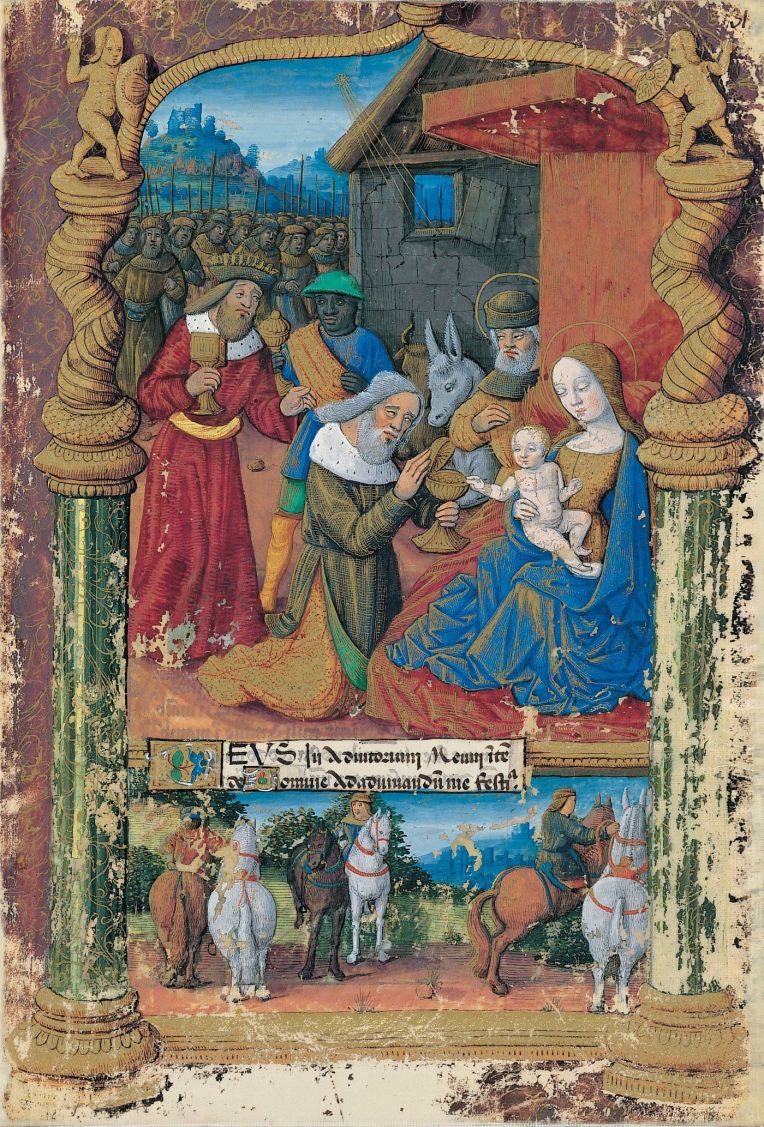
This refrain can be understood as God the Father speaking to God the Son about the fruit of the Son’s earthly mission.  The Son accomplishes His divine mission through His Death, Resurrection, and Ascension.  The fruits of what the Son accomplished are the saint of God Church, beginning on the day of Pentecost.  These saints are His “inheritance”.  These saints are the members of Christ’s own Mystical Body, and this Church is meant by God to be universal:  that is, to consist of “all the nations”.  The Epiphany is the beginning of Jesus’ mission:  revealing Himself to the nations so that they might place their faith in what He accomplishes for them.

Epiphany